Valve Discontinues Steam Deck LCD: Transitioning to OLED for 2026
Valve Discontinues Steam Deck LCD: Transitioning Fully to OLED
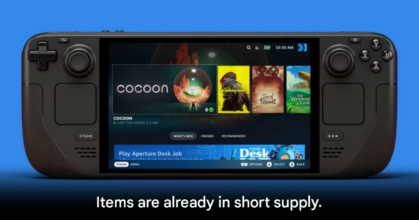
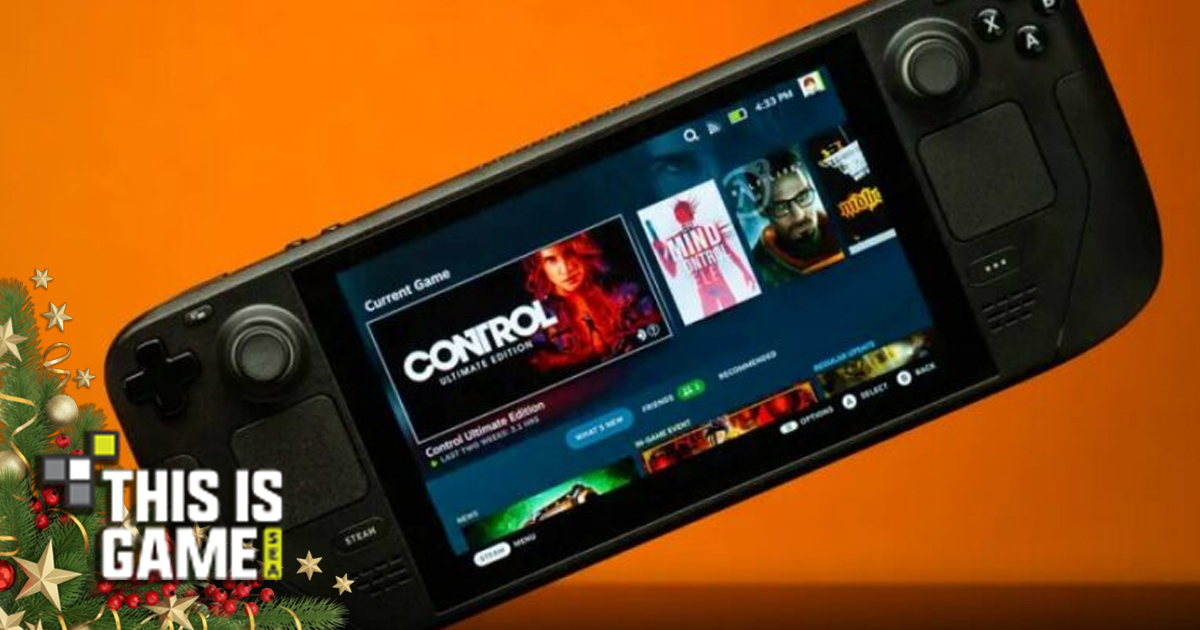
Valve has officially signaled the end of an era by halting production of the Steam Deck LCD 256GB, the final remaining model of the original LCD lineup. According to updates on the Steam Store, once the existing stock is depleted, the LCD variant will be retired permanently, leaving the Steam Deck OLED as the sole flagship hardware for portable PC gaming.
The Shift to OLED Dominance
The decision follows a phased exit of the original hardware, which began with the discontinuation of the 64GB and 512GB LCD models last year. By moving toward an all-OLED lineup for 2026, Valve is setting a higher technical standard for handheld devices.
- Superior Display: The OLED model features a larger 7.4-inch screen with HDR support and a 90Hz refresh rate, offering deeper blacks and more vibrant colors.
- Enhanced Battery Life: Efficiency improvements mean the OLED version lasts significantly longer during gameplay sessions compared to its predecessor.
- Stock Levels: In many major markets, the budget friendly $399 LCD units are already sold out, and Valve’s official refurbished stock has similarly been cleared out to make way for the premium models.
Ongoing Support for Current Owners
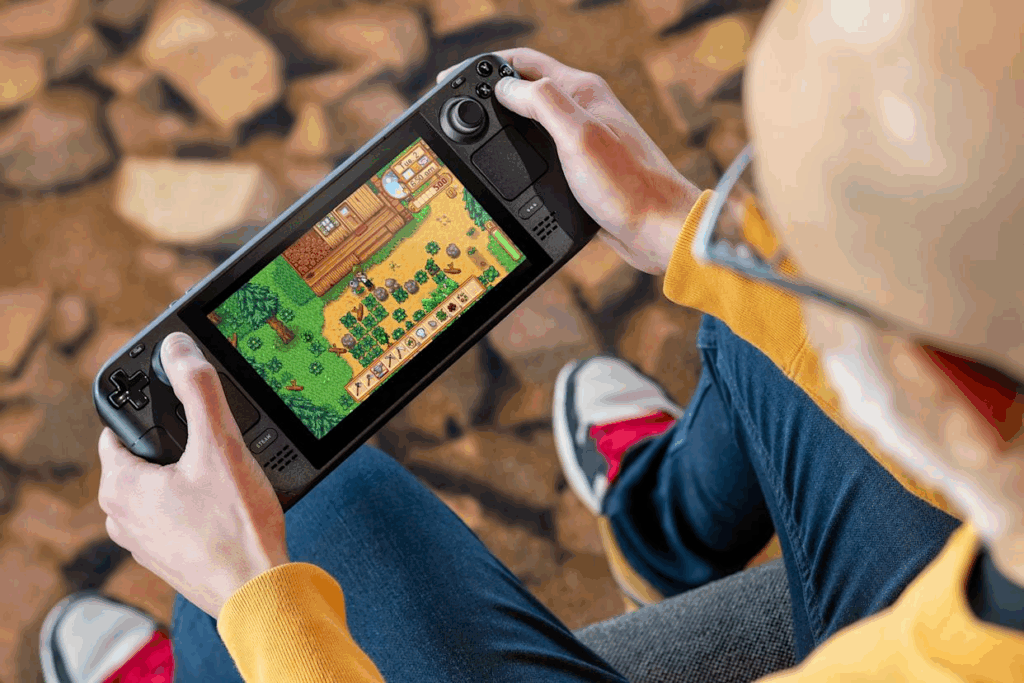
For gamers in the SEA region who already own an LCD model, there is no need to worry about hardware obsolescence. Valve has confirmed that it will continue to provide full software support and SteamOS updates for the LCD hardware. This ensures that the original “workhorse” of the handheld PC revolution remains compatible with new library releases for the foreseeable future.
In terms of pricing, the entry point for a new Steam Deck now officially sits at $549 for the 512GB OLED model. While this is a higher barrier to entry than the original $399 price tag, Valve believes the hardware improvements justify the cost as they streamline their supply chain for future projects, including the eventual Steam Deck 2.
Valve is effectively “burning the bridge” to the past to ensure the future of handheld gaming is as vibrant as possible. While losing the sub-$400 price point might hurt entry level accessibility in the SEA region, the move reflects the reality that once you experience the OLED’s battery life and contrast, the original LCD feels like a prototype. By trimming the lineup, Valve is simplifying the choice for consumers: you either want the best portable PC on the market, or you don’t. It is a confident move that cleans the slate for 2026, forcing competitors to either innovate with better screens or compete solely on price. The LCD model did its job by proving the market existed; now, the OLED is here to perfect it.