Samsung Warns Console and PC Prices May Surge in 2026 as HBM Shortage Drives Memory Costs Higher
Samsung has issued a major warning at CES 2026, signaling that the global tech industry is heading toward a serious memory chip shortage driven by the explosive growth of artificial intelligence. The company cautioned that soaring demand for high-bandwidth memory, or HBM, used in AI data centers is forcing manufacturers to shift production away from consumer hardware. As a result, gaming consoles and personal computers may face supply constraints and sharp price increases throughout 2026, potentially marking the end of affordable gaming hardware as many know it.
According to industry reports, memory module prices have already surged dramatically. Average prices rose from around 255 USD in the third quarter of 2025 to approximately 450 USD by the end of the year. Analysts now predict prices could climb as high as 700 USD by March 2026. DDR5 RAM, which has become the standard for modern PCs, has also seen steep increases, rising from roughly 7 USD per unit to nearly 19.50 USD in a short period of time.
TM Roh, Co-CEO of Samsung, explained that AI systems require enormous amounts of high-performance memory, creating severe production bottlenecks across the semiconductor supply chain. This situation places console manufacturers such as Sony, Microsoft, and Nintendo in a difficult position. They must either absorb historically high component costs or pass those costs on to consumers. As a result, there is growing speculation that the prices of PlayStation 5 and Xbox Series X could be adjusted upward again in 2026, with some projections suggesting prices may exceed 700 USD for the first time.
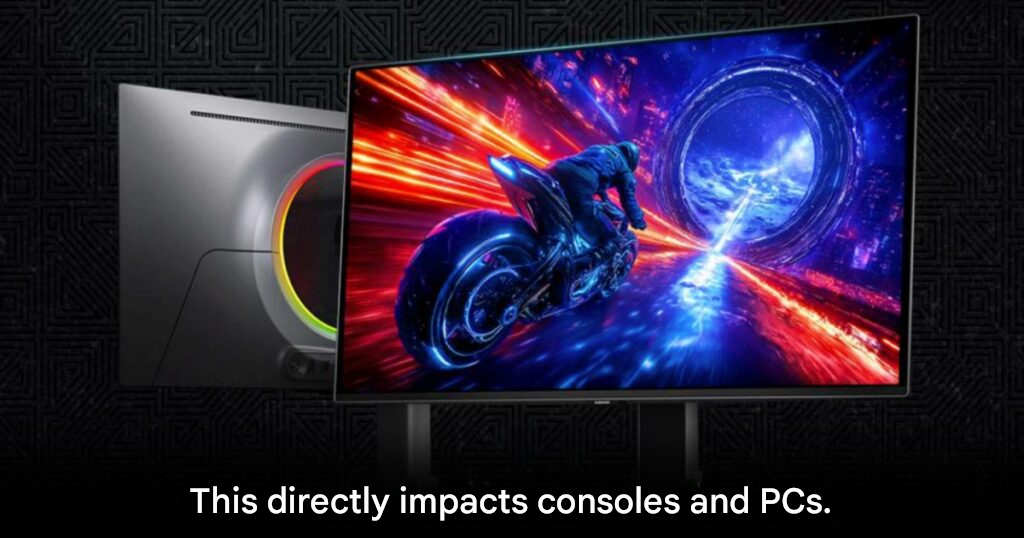
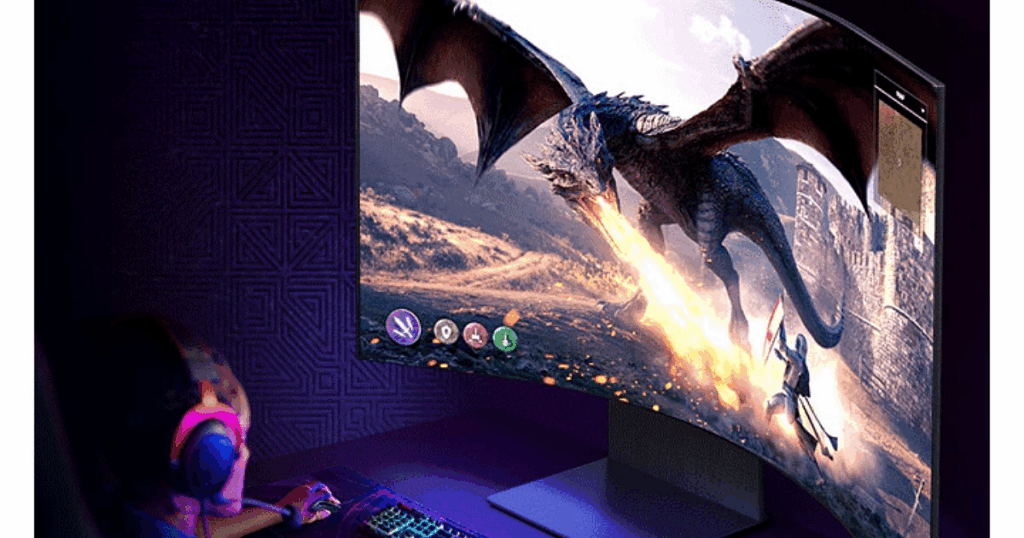
The impact of the memory shortage is not limited to consoles and PCs. It is also spreading to smartphones and display products. Wonjin Lee, Samsung’s Global Marketing Head, warned that semiconductor shortages are likely to affect pricing across a wide range of consumer electronics, from mobile devices to household appliances. Gaming TVs and monitors, in particular, are expected to become more expensive due to higher costs for embedded memory and controller chips, making hardware upgrades far more costly for gamers.
Portable PC gaming devices are also unlikely to escape the price surge. Rumors suggest that a next-generation Steam Machine from Valve could launch at a price between 800 and 900 USD, highlighting how even traditionally cost-conscious PC gaming segments are being affected by rising component costs. Industry analysts are now advising consumers who plan to purchase new consoles, PCs, or gaming displays to consider buying sooner rather than later, or to look for high-quality second-hand options before 2026-priced hardware enters the market in full force.
Amid this uncertainty, many gamers are beginning to adapt by turning to game streaming services such as Xbox Game Pass Ultimate and GeForce NOW. These platforms allow access to high-end gaming experiences without investing in expensive hardware, and may represent one of the few sustainable alternatives during a period when gaming hardware risks becoming a premium luxury. Until new semiconductor fabrication plants are completed and supply stabilizes in the coming years, rising prices may remain an unavoidable reality for the gaming community.