Patriot Admits RAM Price Surge Is Not Pure Profit, Warns Buyers to Act Fast
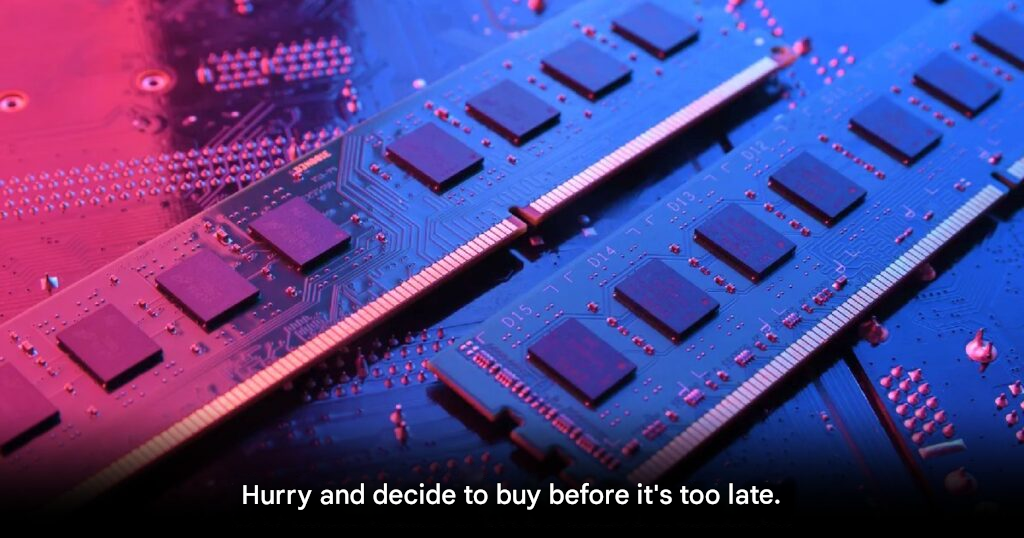
The ongoing surge in memory prices has become a major talking point at CES 2026, and Patriot has stepped forward to clarify a widespread misconception. Shannon Robb, Marketing Manager at Patriot, stated that the company is not celebrating record profits despite continuously rising RAM prices. According to him, memory module manufacturers are facing massive cost pressures themselves, as they must purchase increasingly expensive components before production can even begin.
Robb explained that one of the main drivers behind soaring RAM prices is the aggressive demand from AI-focused companies. These firms are reportedly purchasing more than 40 percent of global wafer production, significantly limiting supply for consumer-grade memory. As a result, major chip manufacturers such as Samsung, Micron, and SK Hynix are struggling to produce enough chips for the general market. What makes the situation even more concerning is that a large portion of these wafers are being stockpiled, as many data centers are still under construction or lack sufficient power infrastructure to operate at full capacity.
For users considering a RAM upgrade for their notebook or PC, Robb offered direct advice. If an upgrade is genuinely necessary, now may be the best time to make a purchase, as prices have likely not yet reached their peak and could continue rising. However, if existing hardware still performs well for gaming or everyday tasks, he recommends holding off rather than paying inflated prices unnecessarily. He compared the situation to GPU upgrades, where sticking with capable older hardware can be the smarter option.
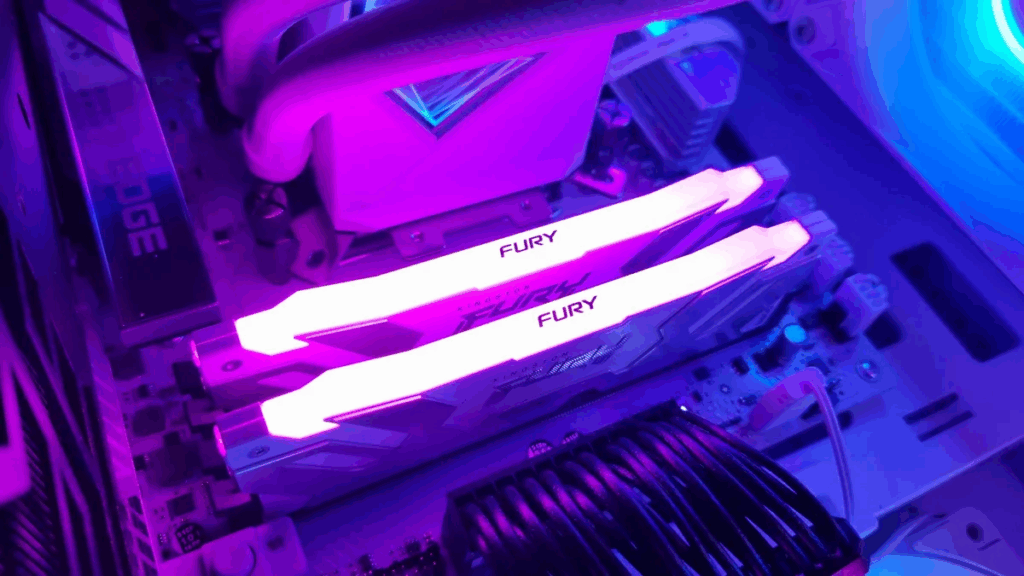
From a practical upgrade planning perspective, Robb suggested avoiding overpriced flagship memory kits and instead choosing configurations that offer reasonable performance for the cost. Saving money on RAM could free up budget for a stronger GPU, a faster CPU, or even an additional 1 TB of storage space, which may deliver more noticeable benefits for most users than premium memory speeds that see little real-world use.
The broader industry context also paints a challenging picture. Building or expanding a semiconductor fabrication plant can require investments of up to 5,000,000,000 USD, making companies like SK Hynix cautious about increasing production capacity. Many manufacturers fear that if AI demand slows in the future, the market could swing into oversupply. This hesitation from major players strongly suggests that global RAM prices are likely to remain elevated for some time.
For gamers and general users across the SEA Region, the key takeaway is to carefully assess real needs before upgrading. If your system continues to run modern software smoothly, waiting for the market to stabilize may be the wisest choice. In an era where hardware costs are rising across the board, maximizing the value of existing equipment remains the most practical strategy for now.
Origin: PCGamer