No option to remove the AI app from the home screen
A growing number of LG Smart TV users are expressing frustration after discovering that Microsoft Copilot has been permanently added to their televisions. The AI app reportedly appeared on the home screen without user consent and offers no option for removal, reigniting concerns about unwanted AI features being forced onto consumer devices.
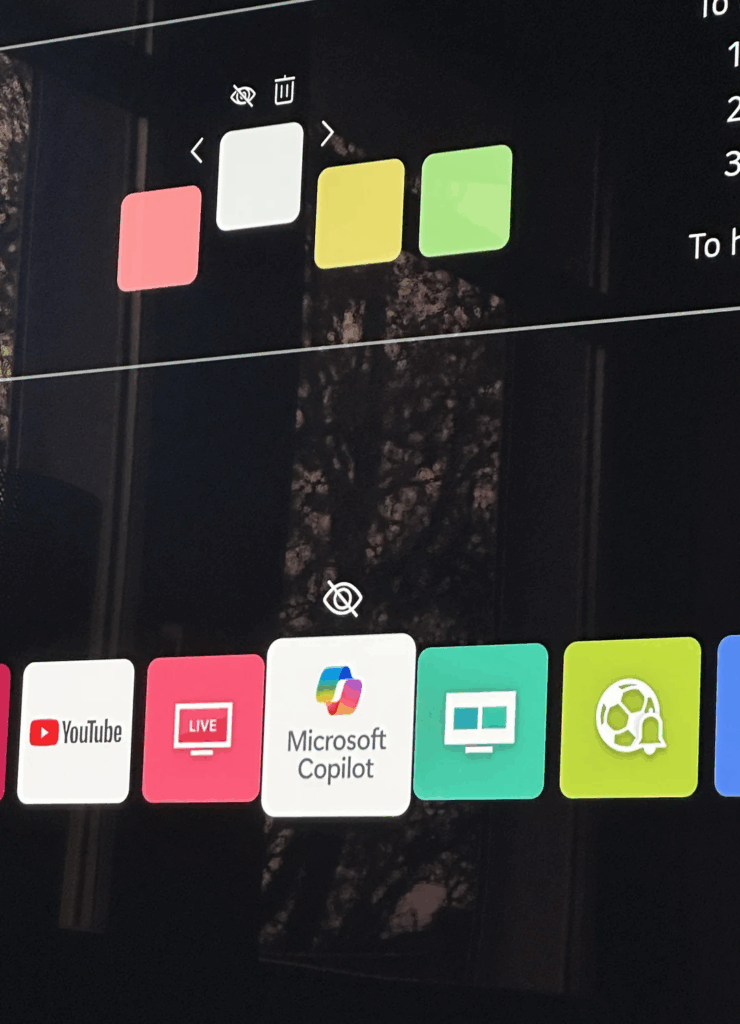
According to multiple user reports on Reddit, the Copilot app appeared immediately after installing the latest webOS system update. webOS, LG’s Linux-based operating system that the company has controlled since 2013, now places Copilot directly on the main home screen alongside popular streaming apps such as Netflix and Hulu. Users state that there is no way to hide, uninstall, or disable the app.
The lack of control has become the main source of backlash. Many users argue that being unable to remove an AI app they never requested undermines their ownership of the device. Critics also point out that Copilot provides little to no practical benefit for everyday TV usage, making its permanent presence feel intrusive rather than helpful.
This situation aligns with LG’s earlier announcements regarding its AI-focused strategy. During CES 2025, LG positioned itself as an AI TV brand, introduced a dedicated AI category within webOS, and even rebranded its remote as the AI Remote. At the time, LG claimed Copilot would help users search for and manage complex information more efficiently.
However, LG’s own documentation clearly states that system apps bundled with the operating system cannot be removed. As a result, Copilot effectively functions as a system-level application, ensuring it remains installed regardless of whether users want to engage with AI features or not.
LG is not alone in this approach. Other manufacturers are also embedding AI deeply into their smart TV platforms. Google Gemini is integrated into newer TCL models, while both Perplexity and Copilot are expanding their presence across Samsung’s ecosystem. These moves reflect an industry-wide push to make AI a central selling point, even as many consumers question its necessity in home entertainment devices.
The growing backlash highlights a widening gap between corporate AI ambitions and actual user demand. While manufacturers see AI as the future of smart devices, many consumers simply want control, simplicity, and choice over how their products function.
THIS IS OUR SAY
AI should enhance user experience, not override user choice. Forcing permanent features onto personal devices risks turning innovation into irritation. If smart TVs are truly meant to be smart, respecting user control should come before chasing AI trends.
Origin: Gizmodo