Rumors from the supply chain suggest that Apple is preparing a major camera upgrade for the iPhone 18 Pro and iPhone 18 Pro Max. The flagship models may introduce a true variable aperture system, a professional-grade camera feature that could fundamentally change how mobile photography works.
If confirmed, this would mark Apple’s first use of mechanical aperture control on an iPhone, bringing hardware-based image control back into the spotlight.
How Variable Aperture Changes Smartphone Photography
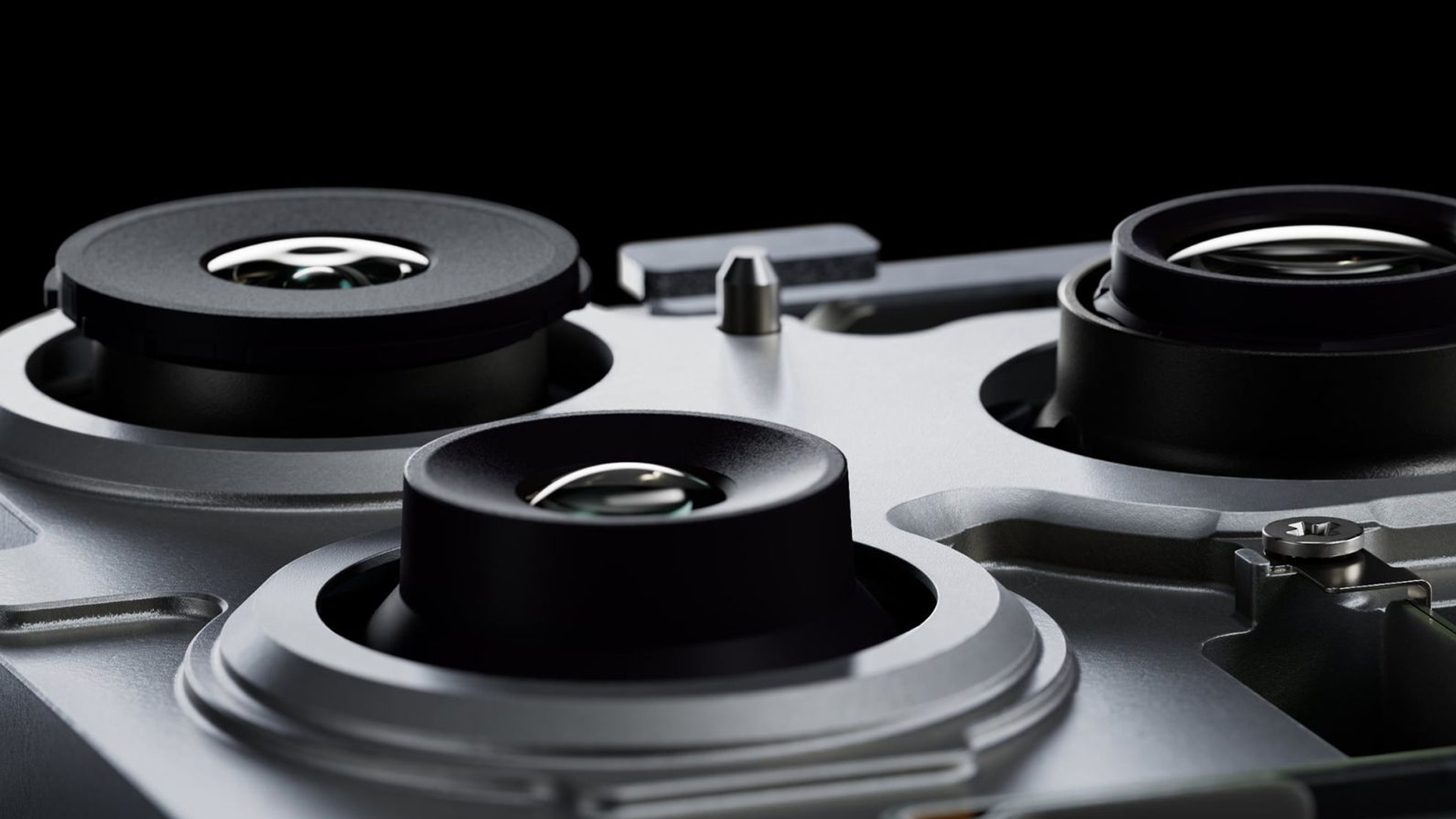
A variable aperture allows the camera lens to physically adjust how much light reaches the sensor. Instead of relying only on software, tiny aperture blades open or close to match lighting conditions. This enables brighter night shots, better highlight control in daylight, and more natural depth of field.
According to analyst Ming-Chi Kuo, Apple is working closely with suppliers to miniaturize this mechanism for iPhone 18 Pro. The goal is not just better brightness, but more realistic background blur and sharper subject separation without heavy computational tricks.
A Feature That Once Disappeared Is Returning
This technology is not new to smartphones. Samsung previously used variable aperture in the Galaxy S9 and Galaxy S10 between 2018 and 2019. However, Samsung removed it in later models due to increased thickness and higher manufacturing costs.
Today, the landscape has changed. Several premium Chinese smartphones, including Xiaomi 14 Ultra and Huawei Mate series devices, have revived adjustable aperture systems. As camera hardware evolves, Apple now appears ready to reintroduce the concept with tighter engineering and deeper software integration.
Why Apple’s Approach Could Be Different
Apple typically avoids adding features until it can deliver them at scale with consistent performance. In the case of variable aperture, tighter tolerances and improved materials may help control thickness and durability issues that plagued earlier implementations.
More importantly, Apple could combine physical aperture control with its advanced computational photography pipeline. This hybrid approach may deliver smoother transitions between lighting conditions and more cinematic results in both photo and video capture.
Competition Heats Up Again
Apple’s rumored move is already influencing the wider industry. Reports indicate Samsung is evaluating a return to variable aperture hardware for future Galaxy models. The renewed focus suggests a new phase of competition in smartphone imaging, where hardware innovation regains importance alongside AI-driven photography.
What Else Is Expected in iPhone 18 Pro
Beyond the camera, leaks point to several other upgrades. These include a new A20 chip, improved battery life, a smaller Dynamic Island, and updated wireless components such as the C2 modem and N1 wireless chip. There is also speculation that Apple could unveil its first foldable iPhone in the same generation.
While pricing may increase as features grow more complex, photography-focused users may find the trade-off worthwhile.
A Big Step Toward True Pro Cameras on Phones
If Apple proceeds with variable aperture hardware, the iPhone 18 Pro could blur the line between smartphone and dedicated camera even further. For users who care deeply about image quality and natural depth control, this upgrade may represent the most meaningful camera evolution in years.
As always, final confirmation will come closer to launch, expected in late 2026. Until then, the possibility alone signals Apple’s intent to push mobile photography beyond software limits and back toward true optical control.
Origin: Macrumors