Technical Truth: USB-PD Standards vs. Service Center Claims
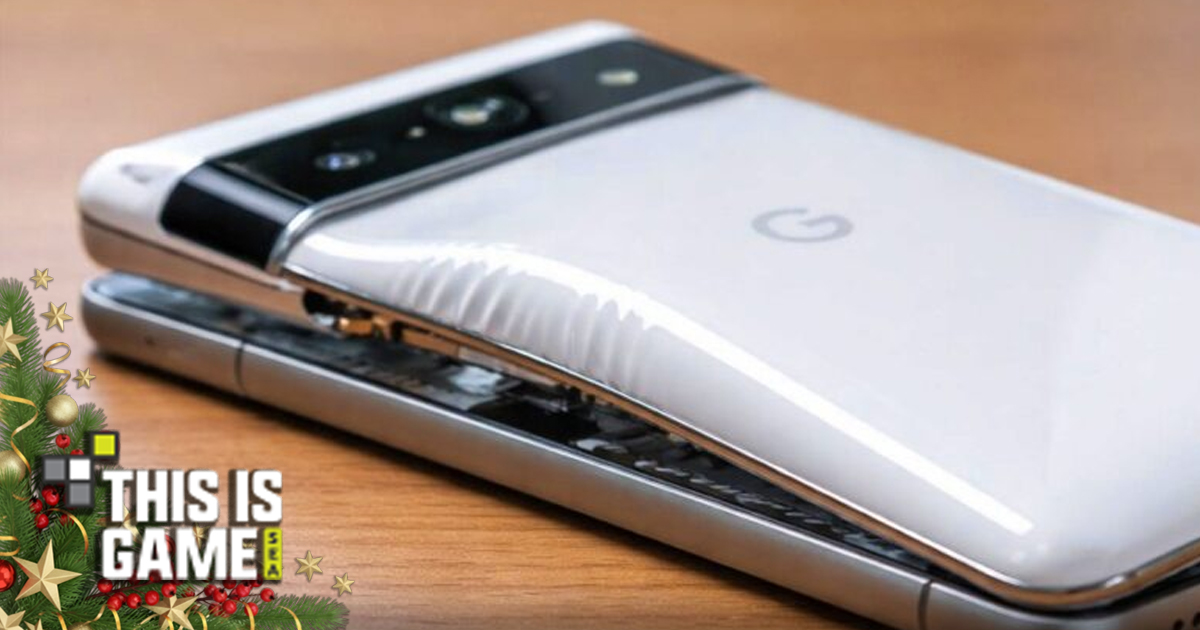
A heated controversy has ignited within the Indian tech community following a report from a Google service center in Delhi. A viral post on X (formerly Twitter) by user Parth Monish Kohli detailed an interaction where a Google representative allegedly blamed a Samsung power adapter for causing a Pixel smartphone’s battery to swell.
The Incident in Delhi
According to the report, a woman brought her Pixel device to the authorized service center with a visibly swollen battery that was pushing against the back panel. When she asked for the cause of the damage, the representative reportedly asked what charger she was using. Upon hearing “Samsung,” the staff member concluded that using a “third-party” charger was the sole reason for the battery failure.
This explanation has been met with widespread skepticism and criticism for several reasons:
- Technical Standards: Standard Samsung chargers use the USB Power Delivery (USB-PD) protocol, which is the same global standard used by Google for Pixel devices. Modern smartphones are designed to negotiate the correct wattage, making it technically highly unlikely for a reputable brand’s charger to “force” a battery to swell.
- Industry Trends: Since Google (like Samsung and Apple) no longer includes charging bricks in the box, users are expected to use existing high-quality adapters. Blaming a major competitor’s certified hardware is seen by many as an attempt to avoid warranty obligations.
- Known Issues: The incident comes at a time when Google has already acknowledged battery swelling issues in certain models, specifically launching an Extended Repair Program for the Pixel 7a in India earlier in 2025.
Rising Complaints Against Indian Service Partners
This isn’t an isolated case of friction between Google and its Indian customers. Recent reports on Reddit and consumer forums have highlighted “unethical” practices at authorized repair centers (such as those in Noida and Delhi), where customers claim they are being charged for unnecessary screen replacements when seeking free battery repairs under warranty or recall programs.
Google India has recently been under pressure to improve its post-purchase support as it attempts to compete with the established service networks of Samsung and Apple.
Google’s “blame game” in India is a dangerous PR move that could alienate its most loyal fans. Suggesting that a certified Samsung charger—one of the most reliable in the world—could destroy a Pixel battery is not just technically questionable; it feels like a desperate script to dodge repair costs. For the SEA region, where many users jump between brands and mix-and-match accessories, this “ecosystem shaming” is a red flag. If Google wants to be a serious hardware player in Asia, it needs to police its service partners better. A swollen battery is a safety hazard, and the first response should be “Let’s fix this for your safety,” not “Let’s blame your other charger.” At the end of the day, if a Pixel can’t handle a standard USB-PD charger from a reputable brand, the fault lies in the phone’s charging controller, not the wall plug.
Origin: WCCFTech