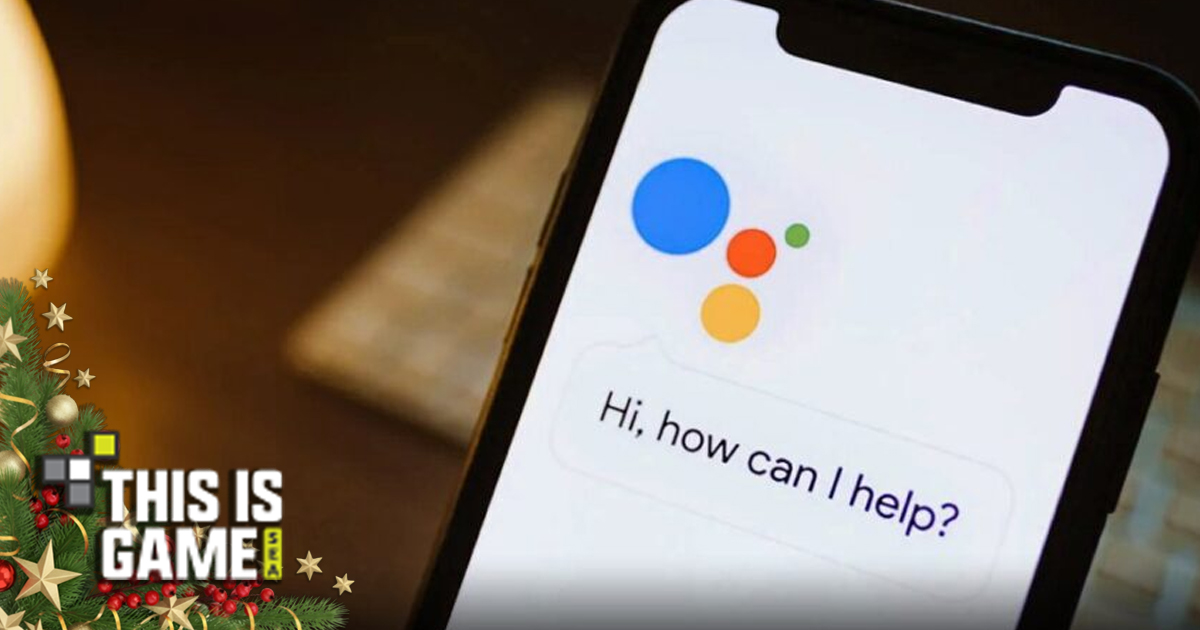
Google Postpones Google Assistant Retirement to 2026
Google has officially adjusted its timeline for the total replacement of Google Assistant by Gemini. Originally slated for completion by the end of 2025, the transition will now continue into early 2026. This extension gives the tech giant more room to refine Gemini’s ability to handle the “boring but essential” tasks that users have relied on for nearly a decade.
Why the Delay? The “Feature Parity” Gap
The primary reason for the delay is ensuring a “seamless transition.” While Gemini excels at generative tasks like summarizing emails or creative writing, it has faced criticism for struggling with basic utility functions that Google Assistant handles flawlessly.
Current Challenges for Gemini:
- Reliability: Flaky performance with setting timers, alarms, and complex Routines.
- Smart Home Control: Inconsistent execution when controlling lights or thermostats compared to the legacy Assistant.
- Connectivity: Difficulties in handling “Continued Conversations” (which Google has recently moved behind a Gemini Home Premium paywall for some devices).
The Road to 2026: Phased Retirement
Despite the delay, the “writing is on the wall” for Google Assistant. The transition will follow a specific roadmap across different platforms:
| Platform | Estimated Transition Date | Status |
| Android Auto | March 2026 | Assistant is confirmed to work until this date via support banners. |
| Pixel 10 Series | Now | Gemini is already the default assistant out of the box. |
| Android 10+ Devices | Early 2026 | Mandatory upgrade for devices with at least 2GB of RAM. |
| iOS App | 2026 | The standalone Assistant app will be removed from the App Store. |
What This Means for Users
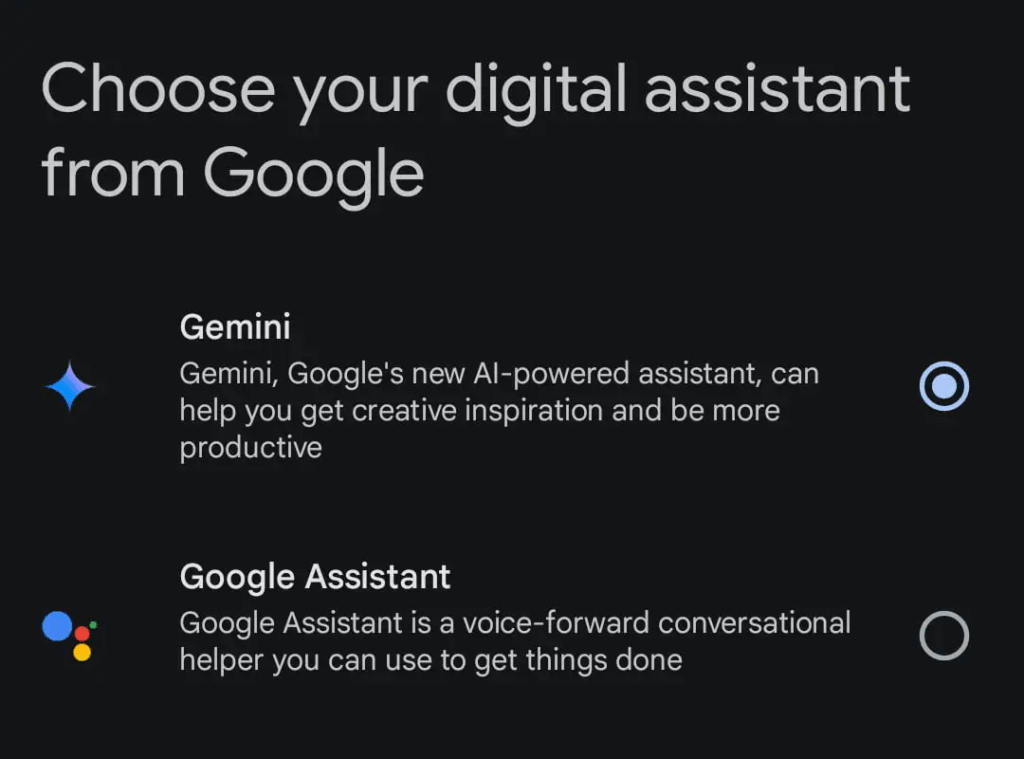
For now, users can still toggle between Gemini and Google Assistant in their settings. If you rely heavily on home automation or specific voice commands in the car, you can continue using the “classic” Assistant for a few more months. However, Google is already nudging users by removing legacy features—like voice-based photo sharing and specific “Family Bell” announcements—to encourage the jump to AI.
Google is finally admitting that a “smart” chatbot isn’t always a “helpful” assistant. By pushing the deadline to 2026, they are acknowledging that users value reliability over novelty when it comes to hands-free tasks. It’s a smart move to avoid a “New Coke” moment where millions of users find their smart homes broken overnight. However, the pay walling of features like Continued Conversation under Gemini Home Premium suggests that the “free” era of high-end voice assistance is coming to an end. 2026 will be the year Google forces us to decide: do we want a simple voice command tool, or are we willing to pay for a “college-educated” AI roommate?
Origin: 9to5google