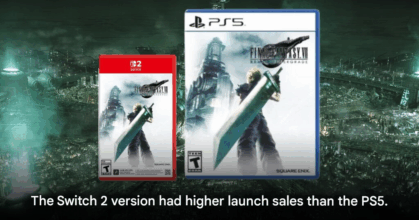
[Review] Final Fantasy VII Remake Intergrade on Nintendo Switch 2
The opening chapter of a classic JRPG trilogy, now in your hands
Note: This review is based on the Nintendo Switch 2 version of the game. The experience may differ on other platforms.
More than a decade has passed since Final Fantasy VII Remake was first revealed as a bold reimagining of one of the most iconic JRPGs of all time. Designed as a trilogy, the project went on to earn critical acclaim, major awards, and reignited fan discussions through spin-offs and countless theories surrounding its expanded universe.
Today, the wait has finally ended for Nintendo players. Final Fantasy VII Remake Intergrade, the most complete version of the game, has officially arrived on Nintendo Switch 2. This review is made possible with support from BANDAI NAMCO Entertainment Asia and Square Enix, allowing us to share our impressions of how this ambitious remake performs on Nintendo’s latest hardware.
Presentation
Final Fantasy VII Remake Intergrade is an enhanced edition of the remake first released in 2020. It introduces graphical upgrades and includes the important additional content Episode INTERmission, which focuses on Yuffie and lays narrative groundwork for the sequel, Rebirth.
The main campaign remains structurally identical to the original release and now represents the definitive standard version of the game. On Nintendo Switch 2, the title also benefits from feature and quality-of-life updates, including Head Start Mode, which allows players to begin with higher character levels and useful items. Photo Mode is supported, and the Streamlined Progression option enables various accessibility adjustments such as unlimited HP or one-hit enemy defeats.
While these features may not appeal to players seeking a full challenge, they are valuable options for newcomers or those who want to focus on the story without friction.
Control and Gameplay
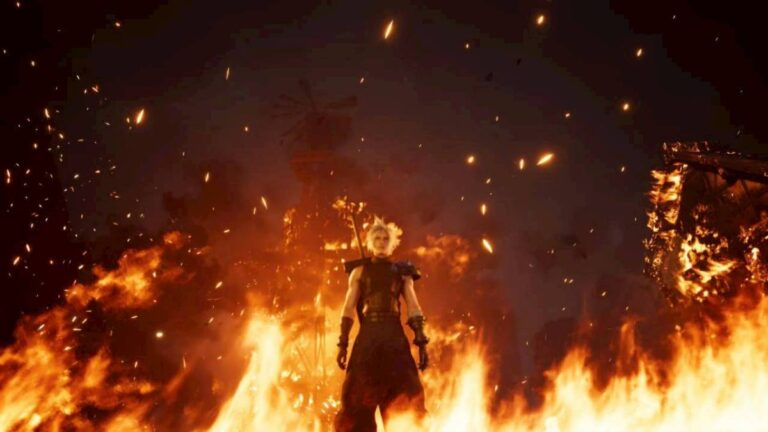
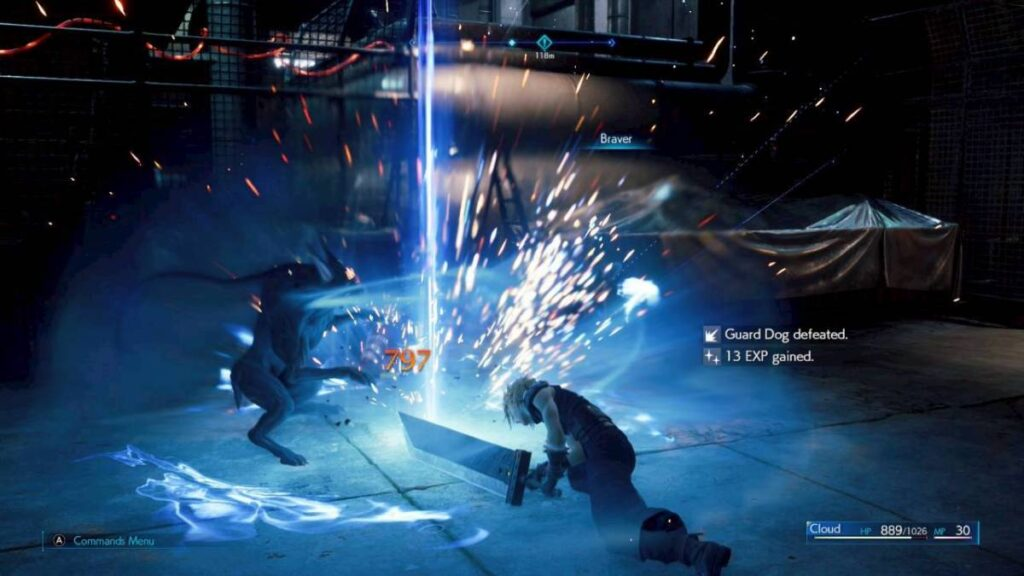
The core gameplay blends real-time action with classic JRPG mechanics. Players directly control characters in combat while interacting smoothly with the environment, from climbing ladders to engaging NPCs. Once combat begins, each character plays a clearly defined role.
In the opening section, Cloud serves as the primary melee attacker, while Barret specializes in long-range combat. As the story progresses, additional characters join the party, each with unique strengths. Up to three characters can be active in battle at any time.
Despite its real-time nature, the game heavily relies on Tactical Mode, which slows the action to allow players to select spells, abilities, or items. These actions consume ATB and MP resources generated through active combat. While frequent switching between modes can feel busy at first, it reinforces the strategic identity of a JRPG and preserves the franchise’s planning-driven combat philosophy.
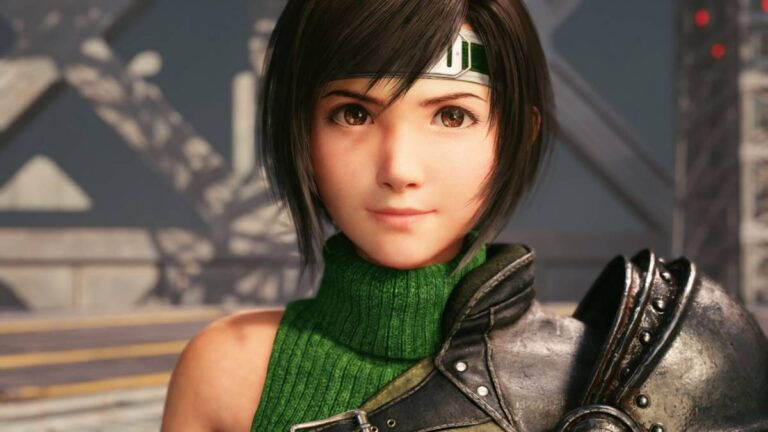
Yuffie, featured in Episode INTERmission, introduces a fresh playstyle that combines ranged and melee combat. Players are strongly encouraged to complete the main story first, as this episode does not include a tutorial.
Playing on Nintendo Switch 2
One of the biggest advantages of the Nintendo Switch 2 version lies in its control layout. The system offers a full button configuration comparable to other consoles, meaning players familiar with previous versions will feel immediately at home. The placement of the Start (+) and Select (-) buttons improves menu accessibility, and using a Pro Controller further enhances comfort and precision compared to standard Joy-Con controllers.
Players expecting features such as touchscreen controls, HD Rumble integration, or motion-based inputs will not find them here. Final Fantasy VII Remake Intergrade on Switch 2 is positioned as a complete and faithful experience for Nintendo users rather than a platform-specific experiment. Whether played handheld or docked, the game delivers the full intended experience without compromise.
Graphics and Sound
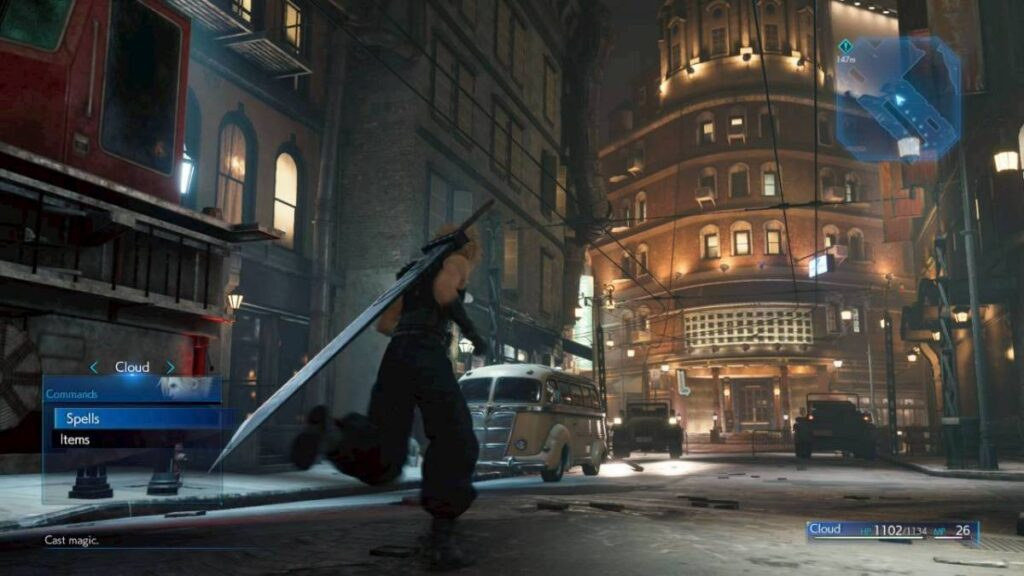
Visually, Final Fantasy VII Remake Intergrade on Nintendo Switch 2 is impressive, though it operates at a 30 FPS cap. Lighting and visual direction closely resemble the PlayStation 5 version, and overall presentation passes with confidence.
The game runs at 1080p when docked, while handheld mode uses upscaled resolution. Character models remain sharp, though some texture details appear slightly softer in portable play. Text size is well optimized and easy to read, even on the smaller screen.
Interestingly, the 30 FPS limitation feels less noticeable in handheld mode due to screen size and viewing distance. This makes portable play surprisingly enjoyable. Audio quality shows no downgrade, with the iconic soundtrack delivering full impact. Load times are also remarkably fast, often taking only a few seconds to transition into gameplay.
Final Thoughts
This is the Final Fantasy VII Remake for Everyone
Final Fantasy VII Remake Intergrade on Nintendo Switch 2 stands as one of the strongest versions of the game available today. It offers enhanced visuals inspired by next-gen platforms, complete content including the Yuffie episode, resolved technical issues, and accessibility features that welcome both newcomers and returning fans.
While the 30 FPS cap may concern some players, it proves to be a minor issue, especially in handheld mode. Whether played on a small screen or a large display, the game delivers a complete and polished experience.
Final Fantasy VII Remake Intergrade is now available on Nintendo Switch 2, as well as PlayStation 5, Xbox Series X|S, and PC. For those hesitant about diving into JRPGs, this remake offers an action-focused and approachable entry point, perfectly setting the stage for the next chapter of the trilogy.
For future reviews and gaming updates, be sure to stay connected with This Is Game SEA.