5 Essential Where Winds Meet Terms Every Player Should Know
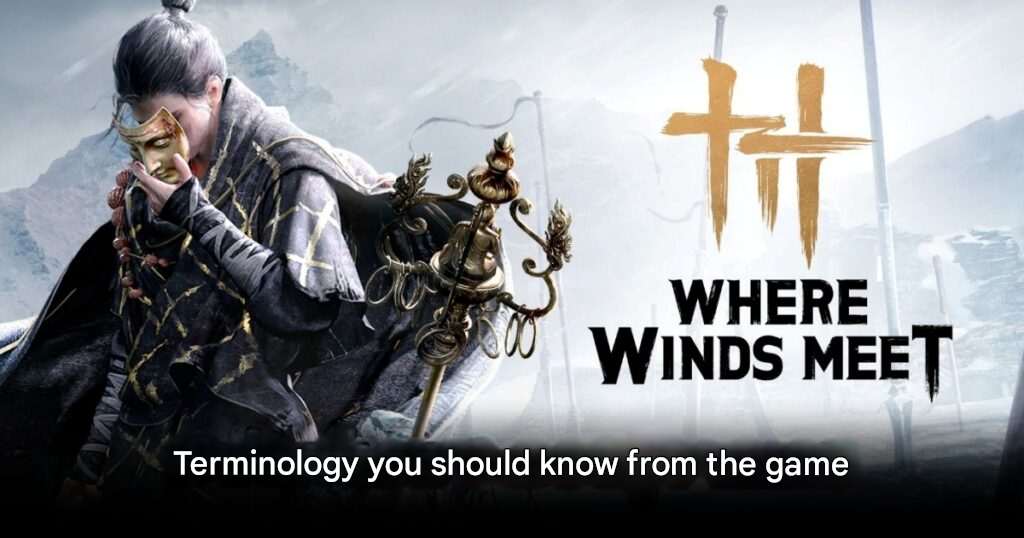
For fans of open world action RPGs diving into the ambitious world of Where Winds Meet, many unfamiliar words appear throughout the story, world, and combat system. These terms come directly from classic Chinese Wuxia culture and understanding them will help players appreciate both the lore and the gameplay with greater clarity. Here are five major concepts that shape the identity of the game and elevate the overall experience.
Wuxia
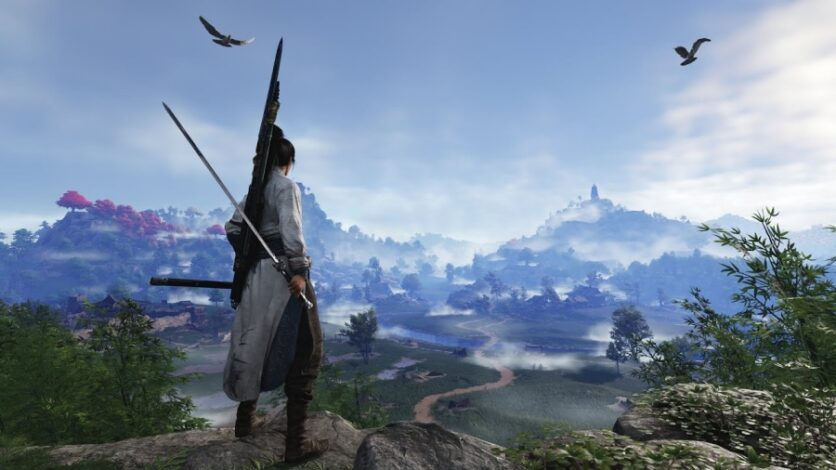
The first and most defining concept is Wuxia, a term formed from Wu meaning martial strength and Xia meaning a heroic guardian of justice. It represents the timeless spirit of warriors who defend the weak, uphold virtue, and fight corruption. Where Winds Meet builds its world on this foundation, shaping characters, moral decisions, and story paths around ideals that reward courage, honor, and the pursuit of righteousness.
Jianghu
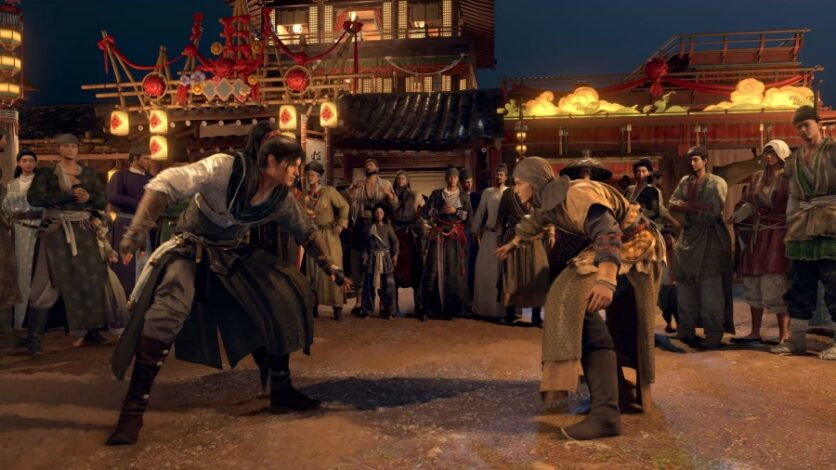
Jianghu translates literally to river and lake, yet the meaning reaches far deeper. Rather than a location, it describes an underground society where martial artists, wanderers, assassins, and rogue heroes live by their own rules. Civil laws hold little power here, replaced by the Law of Martial Arts that governs revenge, reputation, allegiance, and personal honor. In Where Winds Meet, players freely explore this shifting world, interacting with various factions whose relationships influence quests, conflicts, and access to new abilities.
Sect

A Sect functions as both a home and a center of power in the Wuxia universe. These organizations, led by martial masters, serve as schools that pass down techniques, philosophies, and combat styles across generations. They operate like extended families that play major roles in political and battlefield affairs. Where Winds Meet features many such groups for players to discover, from the Well of Heaven to the Inkbound Order and the Silver Needle, each offering a distinctive path and identity.
Qi
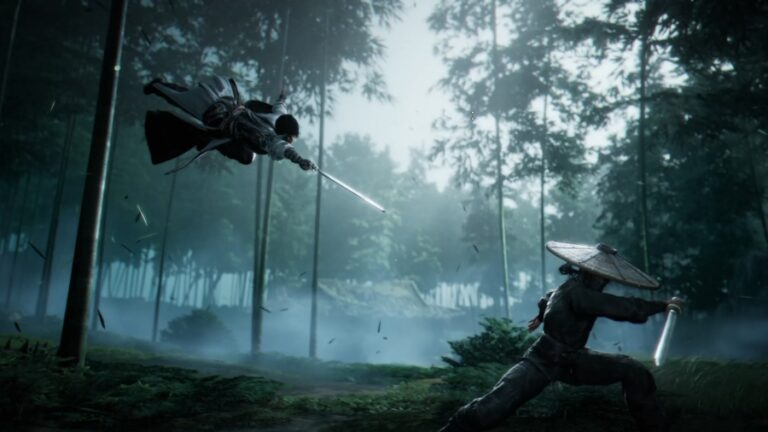
Qi is the inner life force that flows through all living beings. Legends describe it as a source of vitality, strength, and healing when fully mastered. In gameplay terms, Qi acts as a crucial resource similar to stamina in other RPGs. Striking enemies gradually reduces their Qi bar, and when it empties they are left vulnerable and unable to defend themselves for a brief moment, creating an opening for a decisive strike.
Mystic Arts
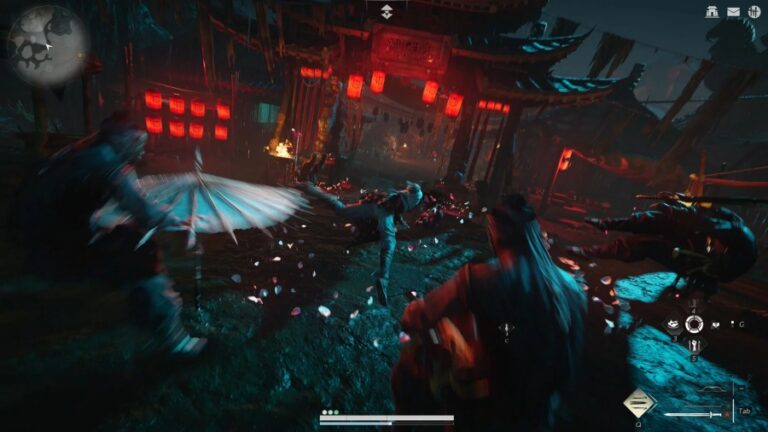
Mystic Arts refer to techniques that transcend ordinary martial ability and reach into a realm of supernatural mastery. These skills allow characters to glide through the air, manipulate objects, open hidden passageways, or perform combat abilities that alter the flow of battle. Where Winds Meet includes many of these powerful techniques, from Heavenly Snatch that steals items from NPCs to Tai Chi abilities that animate objects and solve environmental puzzles. These Arts expand the range of playstyles and deepen the sense of freedom within the world.
Where Winds Meet places players in a turbulent era of the late Southern Tang Dynasty, a time marked by political upheaval and personal struggle. As a wandering hero born into chaos, players are challenged to make decisions that determine the future of the realm while uncovering the truth behind the conflicts shaping their journey. The game is set to arrive on PC, iOS, Android, and PS5, with the PS5 edition receiving a timed exclusive window.
THIS IS OUR SAY
Where Winds Meet thrives on the rich traditions of Wuxia culture, and these five terms bring its world to life with depth and meaning. Understanding them enhances every moment, from battles fueled by Qi to alliances shaped by the rules of Jianghu. This is one of the rare modern RPGs that blends history, philosophy, and martial arts into a seamless experience, and players who grasp these concepts will feel the story resonate far more strongly.