Modern Horror Games Are Losing Character Skins, Fans Say
Horror games have always thrived on creating tension, fear, and immersive experiences. From haunted corridors to unexpected jump scares, the genre excels at keeping players on edge. Yet, a recent trend in modern horror games has left some players feeling nostalgic—and a little disappointed.
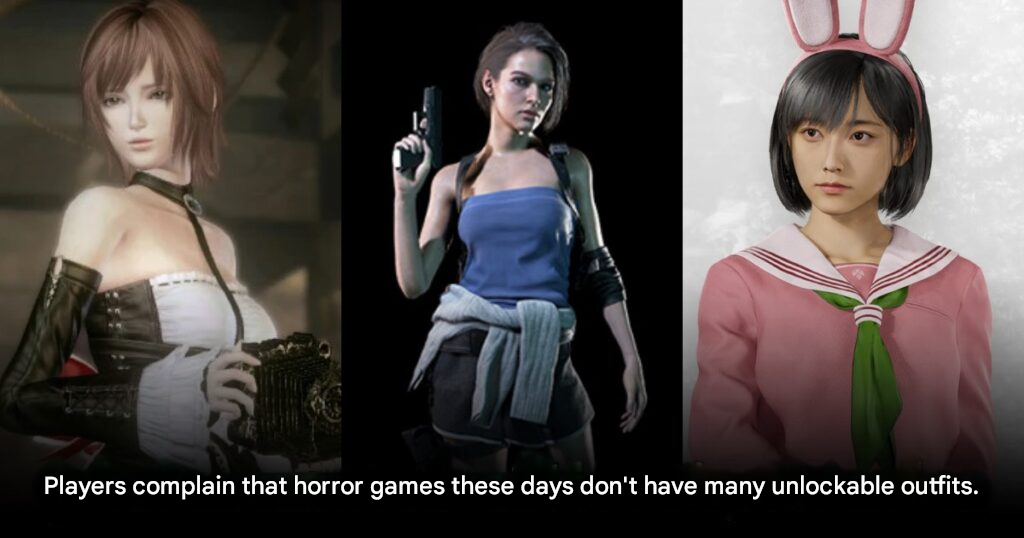
Many gamers are noticing that contemporary horror titles often lack the variety of character skins that older games used to offer. Back in the day, finishing a game might unlock new outfits, ranging from stylish hero costumes to playful or even wacky options. In some titles, players could enjoy fan-service costumes or quirky designs that added an extra layer of fun.
Classic games like Silent Hill 3 and Fatal Frame 5 featured numerous unlockable outfits, from bikinis to superhero suits. Even older titles like Dino Crisis included creative costume options. Some fans compare these older systems to modern remakes, like Resident Evil 3, which now offers only a single unlockable outfit, far fewer than the multiple choices of the original.
The Shift to DLC
In recent years, the industry has leaned heavily on downloadable content (DLC) for additional character customization. This means that many modern horror games restrict the number of default unlockable skins, offering only a few in the base game while charging extra for others. Examples include Resident Evil 2 Remake, which adds new outfits through paid DLC, or remastered versions of Fatal Frame, which include only a few additional unlockable pieces. In some remakes, like Silent Hill 2, there are no default outfits at all, forcing players to purchase separate accessories.
While this approach allows developers to monetize content post-launch, some fans feel it sacrifices the joy of discovery and the sense of reward that came from unlocking costumes as part of the core gameplay.
Player Perspectives
Players online have shared their longing for the days when horror games offered multiple outfits for characters. Many express a desire to balance scares and story with optional fun elements, making the experience more memorable. While the thrill of horror remains central, character customization can enhance replayability and give players small moments of levity amidst tense gameplay.
As the gaming landscape evolves, a common question arises: should developers focus purely on crafting intense, terrifying experiences, or also include optional customization to enrich player enjoyment?
Whether you prefer a strictly chilling experience or a mix of horror and playful customization, the discussion highlights the enduring value of player choice and creativity in game design.