The Real Reason Indie Gacha Games Fail Is Player Expectations
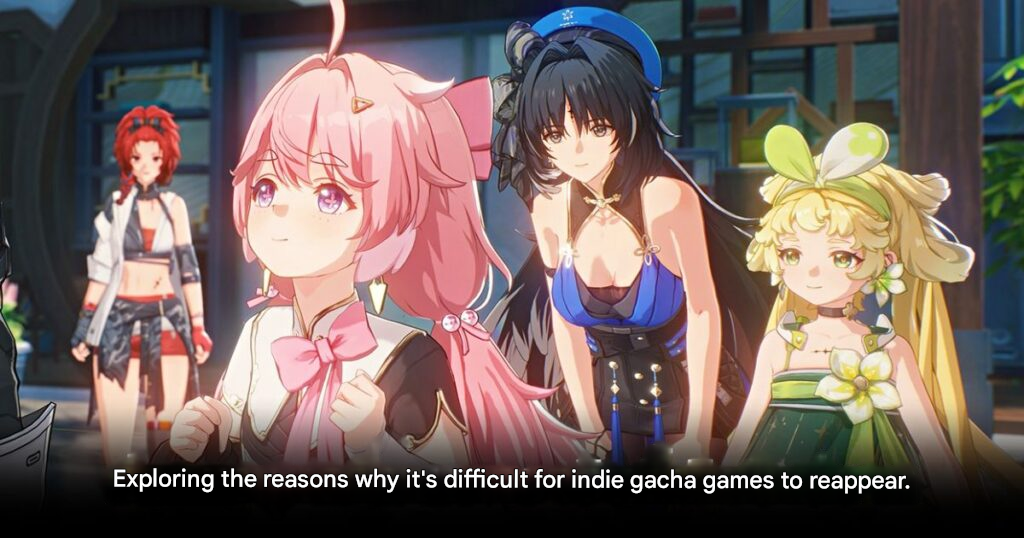
5 Reasons Indie Gacha Games Are Becoming Harder to Succeed
In recent years, mobile gacha games have launched at an incredible pace. However, only a small number manage to survive long term. This problem affects indie studios the most.
Importantly, the issue is not quality. Many indie gacha games show strong art direction and creative ideas. Instead, the real barrier comes from player expectations shaped by global hits. As a result, the market now feels far less welcoming to new entrants.
Below are five reasons why indie gacha games struggle more than ever.
1. Gacha Systems Have Become a Universal Language
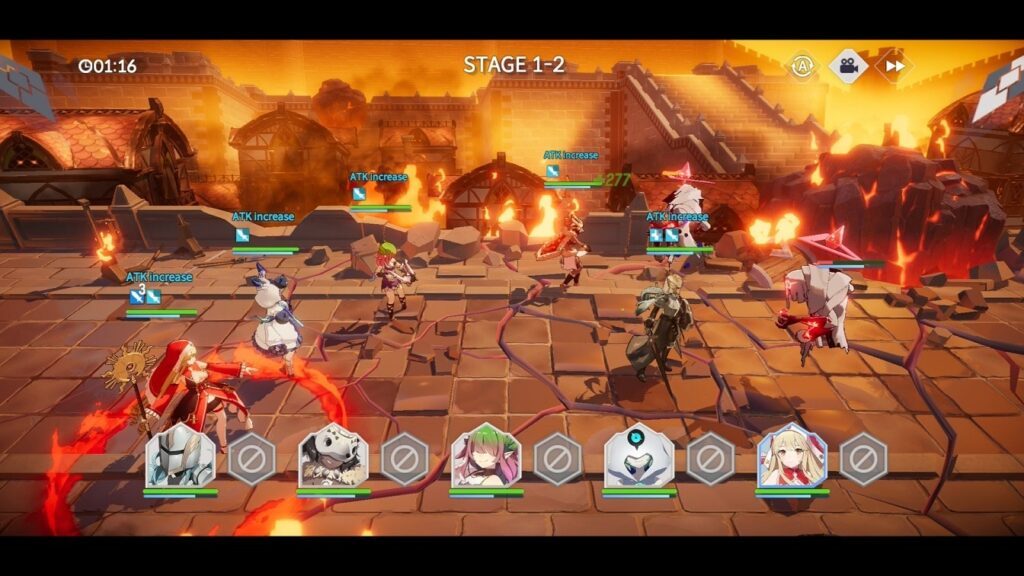
Today, gacha mechanics function like a shared language. Players instantly understand rarity tiers, limited banners, pity systems, and daily routines.
Because of this, players expect every new game to follow the same rules. They want familiar pity counts, transferable guarantees, and predictable banners. When an indie game tries something different, players often feel confused rather than curious.
Therefore, innovation feels risky instead of exciting.
2. New Games Must Resemble Established Hits
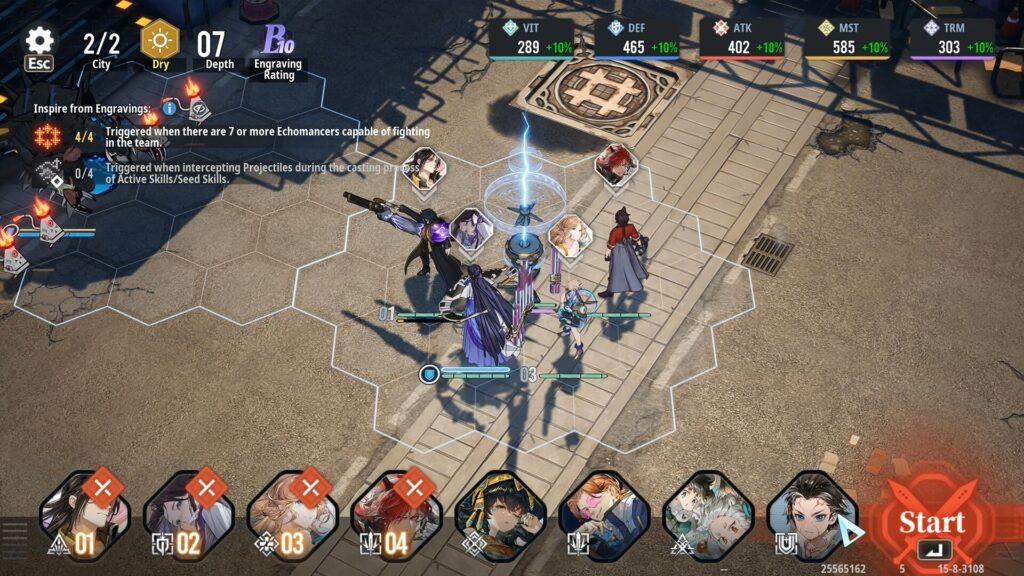
Once players grow used to major gacha titles, they subconsciously expect similar structures everywhere. Menus, progression paths, and upgrade systems all need to feel familiar.
As a result, indie developers face a dilemma. If they stay too different, players quit early. However, if they copy existing designs, the game loses identity. Either path carries serious risk.
Thus, standing out without alienating players becomes extremely difficult.
3. Big Studio UX Makes Players Avoid Learning Again
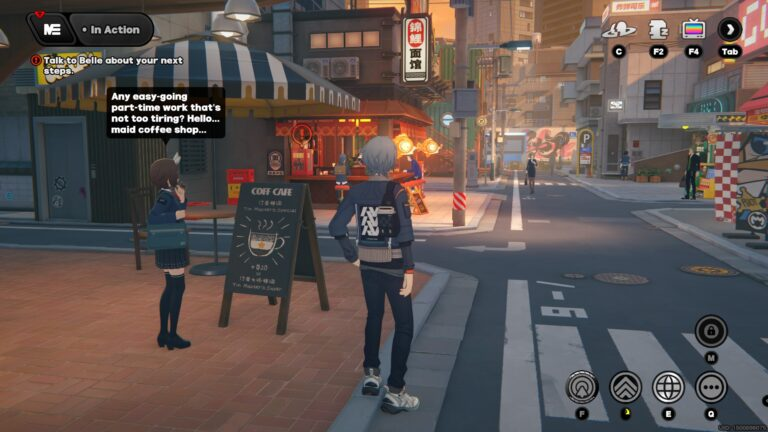
Over time, large publishers have refined UX and UI to near perfection. Players now navigate systems without reading tutorials.
Because of this comfort, players resist learning new systems. When an indie game explains too much or uses unfamiliar flows, players assume the design is poor.
In reality, the issue often comes from broken expectations, not bad design.
4. Global Games Define the Content Loop
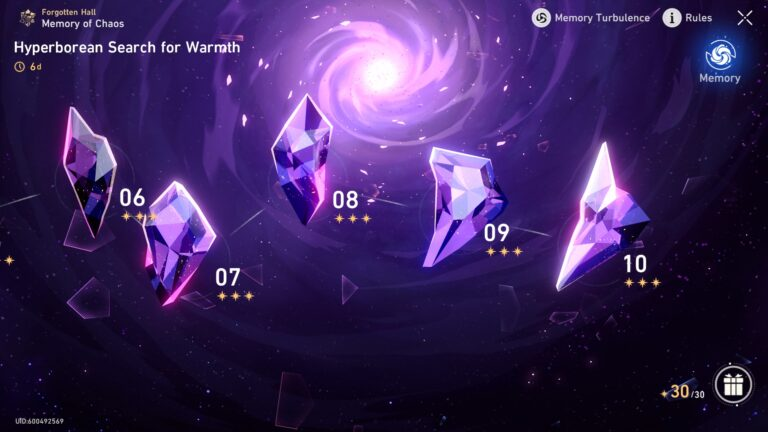
Major gacha games set the rhythm of daily play. Players expect daily tasks, constant events, and frequent updates.
However, indie teams lack the manpower and budget to match that pace. When content arrives slower, players label the game as empty or unsupported.
Unfortunately, comparisons ignore the reality of scale.
5. Players Choose Safety Over Curiosity
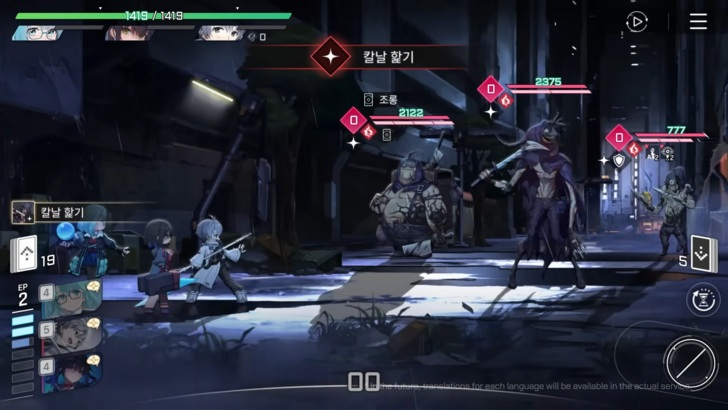
Finally, many players no longer chase originality. Instead, they choose stability.
After experiencing sudden shutdowns, players fear investing time or money in smaller games. As a result, publisher reputation matters more than creativity.
Even when an indie gacha game looks promising, players often stay away.
Final Thoughts
In summary, indie gacha games struggle because the market changed. Player expectations hardened under the influence of global giants.
Today, players value familiarity, safety, and instant understanding. Meanwhile, experimentation feels expensive in a crowded market.
The real question is no longer whether indie gacha games are good enough. Instead, we must ask whether the modern gacha market still allows space for something truly new.