UMIGARI Review: Indie Horror Fishing After the Flooded World
UMIGARI Review: A Haunting Fishing Game Beneath the Fog
At first glance, UMIGARI looks deceptively simple. You fish, sell your catch, refuel your boat, and upgrade your gear. However, the longer you drift across its fog-covered waters, the clearer it becomes that something is deeply wrong. This is not a relaxing fishing game. Instead, it is a slow-burning indie horror experience that relies on atmosphere, implication, and player curiosity.
Developed by Chilla’s Art, UMIGARI marks a noticeable shift from the studio’s usual walking-sim horror formula. Known for short, sharply focused titles like The Convenience Store and Shinkansen 0, the team deliberately steps outside its comfort zone here. Importantly, they also warn players upfront: if you expect intense jump scares, this may not be the horror you are looking for.
Atmosphere and World Design: Fog That Hides the Truth
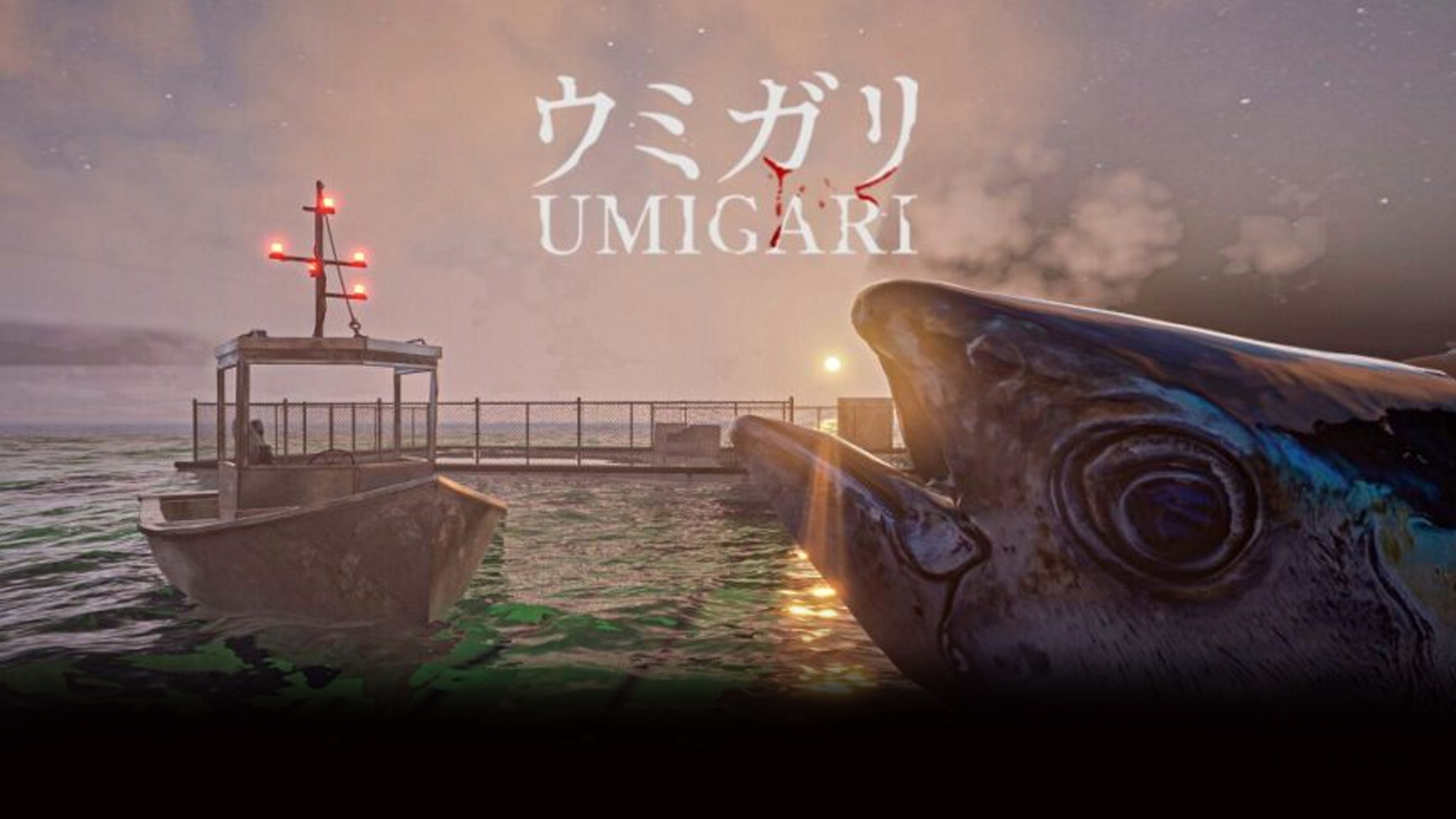
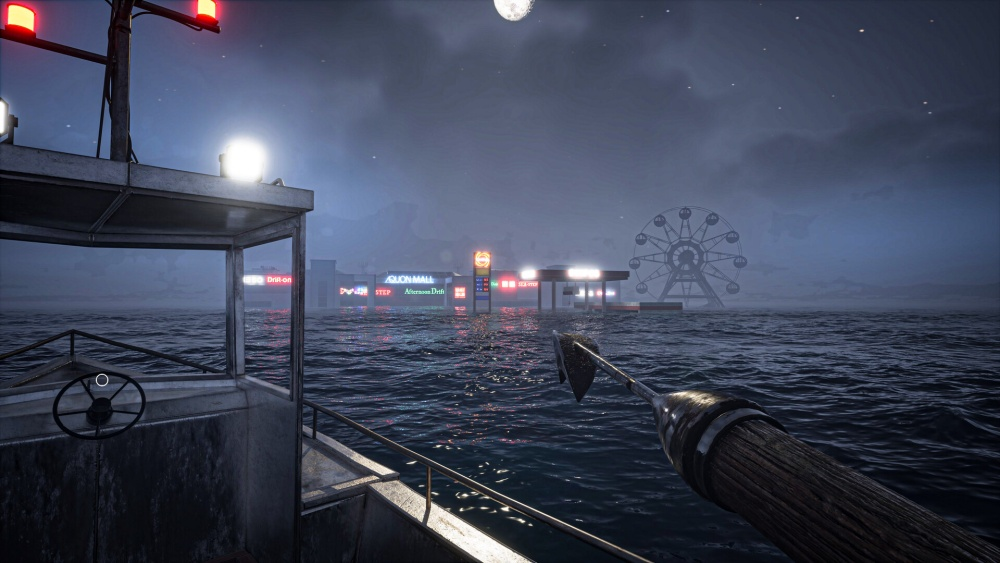
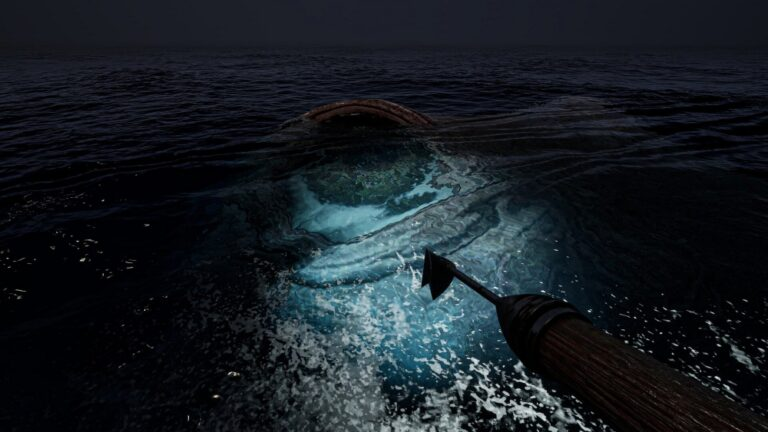
From the opening moments, UMIGARI establishes its tone through restraint. You sail alone across a silent sea, wrapped in thick fog that limits visibility and heightens unease. The water feels calm, yet unsafe. Gradually, the game reveals that this world is not merely strange but fundamentally broken.
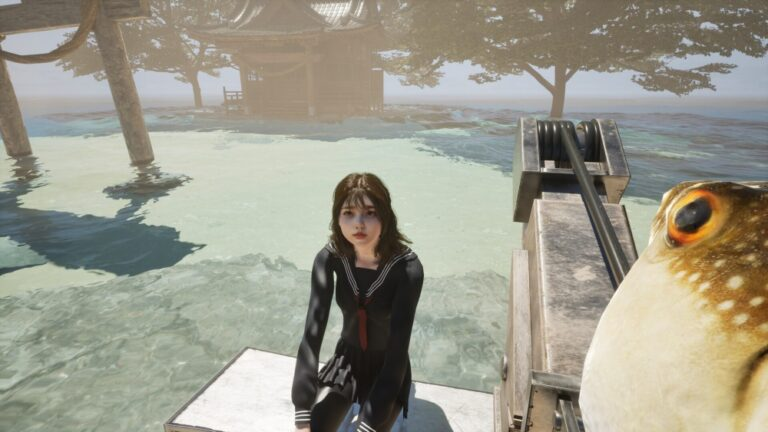
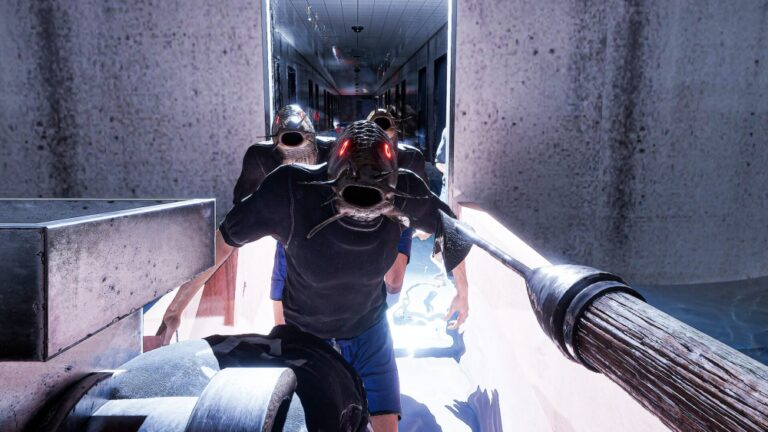
As you venture farther from the starting area, the creatures you encounter become increasingly disturbing. Fish with human limbs, sharks with oversized lips and staring eyes, rays bearing human faces, and school-uniform-clad sea life all appear without explanation. Notably, none of this relies on sudden scares. Instead, the discomfort lingers. The designs feel wrong in a way that stays with you long after you stop playing.
Story and Meaning: More Than Just Fishing
UMIGARI never presents its story directly. There are no long dialogues or exposition dumps. Instead, the narrative unfolds through exploration, repetition, and subtle environmental clues. You begin with only an island, a boat, and a single merchant. From there, the game quietly asks you to piece together what happened to this world.
The themes are not deeply hidden, yet the delivery makes them powerful. Every upgrade, every longer journey into dangerous waters, and every risk you take ties back to the game’s underlying message. By the time the credits roll, many players find themselves rethinking their own actions throughout the game. That reflection is UMIGARI’s greatest strength.
Gameplay Loop: Simple Mechanics That Pull You In
Mechanically, UMIGARI is easy to understand. You hunt fish using a harpoon, sell them, and invest the money into improving your boat and equipment. Progression is zone-based. Each new area introduces puzzles, new threats, and unfamiliar locations such as submerged schools, hospitals, and abandoned stations.
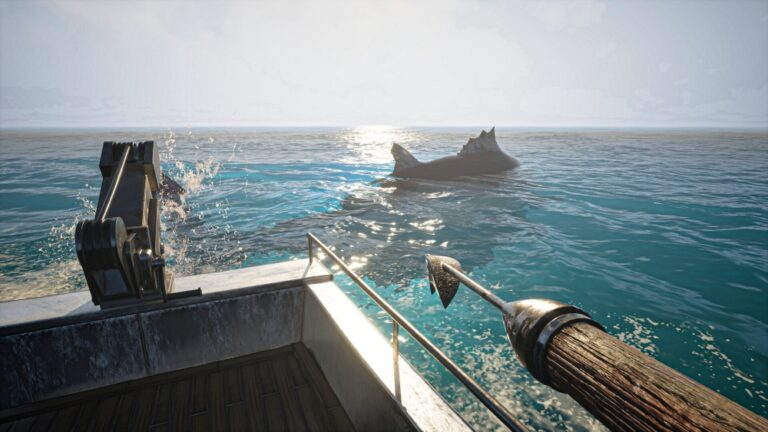
Fishing itself requires timing and precision. Some creatures behave unpredictably, which keeps encounters fresh. Meanwhile, upgrades matter. Boat speed, for example, becomes essential not just for exploration, but for survival. Something dangerous lurks in the fog, and outrunning it often depends on how well you prepared.
As you travel farther, the fish become more valuable. Consequently, the game gently pushes you toward greed and risk-taking. This loop reinforces the narrative theme without ever stating it outright.
Yokai Influences and Unseen Threats
Japanese folklore plays a stronger role here than in Chilla’s Art’s previous games. A major threat emerges after your first long voyage into open waters. It never relies on jump scares. Instead, fear comes from awareness. You know it exists. You know it is close. Survival requires specific preparation, and forgetting that ritual carries consequences.
This approach blends traditional beliefs with modern game design in a way that feels natural. The game trusts players to observe, learn, and adapt rather than explaining everything outright.
Strengths
UMIGARI excels in atmosphere. Fog, lighting, and sound design work together to create constant tension. The thematic depth is impressive, especially given the minimal dialogue. Progression feels meaningful, and the environmental storytelling encourages exploration and interpretation. At its price point, the experience offers strong value for players who enjoy reflective, narrative-driven games.
Weaknesses
That said, UMIGARI is not without flaws. Technical issues and minor bugs can interrupt immersion. Performance may drop on mid-range PCs, particularly in later areas. Additionally, the lack of guidance can frustrate some players, as the game offers very few hints. Finally, the length, roughly two to ten hours depending on playstyle, makes it more of a one-time experience than something meant for replay.
Final Verdict
If you enjoy horror that lingers rather than shocks, and if you appreciate games that leave you thinking after the screen goes dark, UMIGARI is worth your time. It replaces loud scares with quiet guilt, curiosity, and unease. In doing so, it proves that fishing, of all things, can become a powerful vehicle for horror.