Steam Deck Out of Stock Worldwide as RAM Crisis Worsens
Steam Deck Out of Stock as Global RAM Crisis Escalates
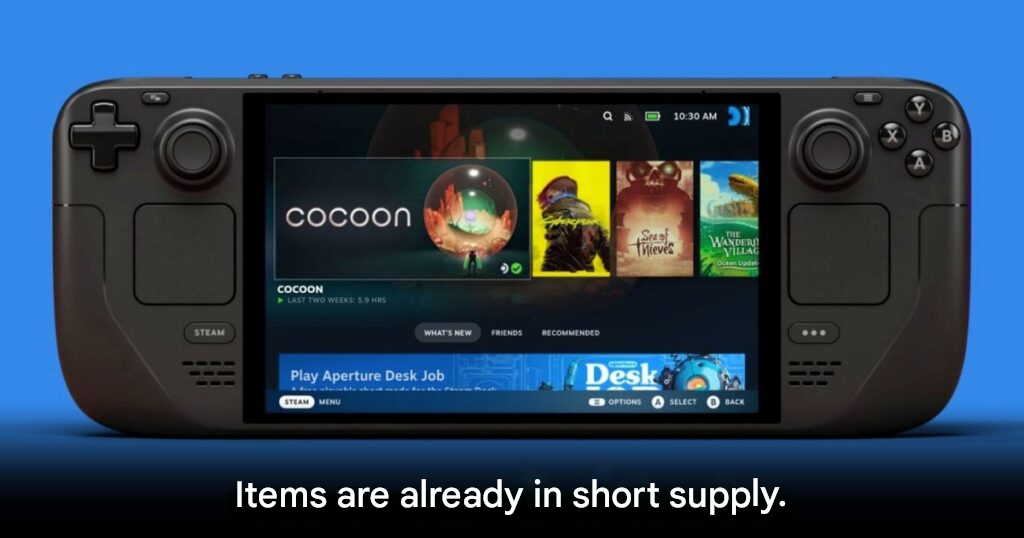
The Steam Deck out of stock situation is quickly becoming a global concern as the worldwide RAM shortage intensifies in early 2026. Recently, multiple regions reported that Valve’s popular handheld gaming PC can no longer be purchased through official channels. As a result, players in the United States, Australia, and several Asian markets can only add the device to their wishlist, instead of buying it outright.
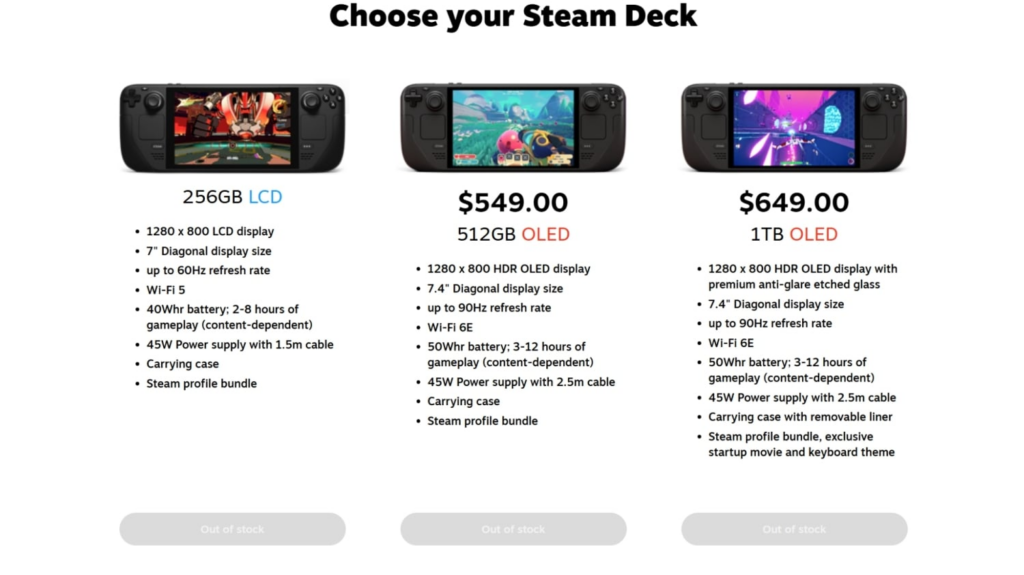
According to the official Steam store page, both the LCD 256GB model and all OLED variants currently show an out-of-stock status. Therefore, many fans now worry this may signal a deeper hardware crisis rather than a temporary supply issue.
RAMmageddon and Its Impact on Valve
Industry analysts link this shortage to the so-called “RAMmageddon” crisis, driven largely by explosive demand from AI data centers. Major technology companies reportedly consume over 70% of global memory chip production. Consequently, smaller hardware players like Valve struggle to secure sufficient components at reasonable costs.
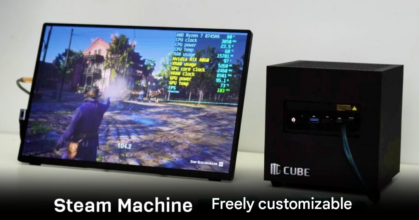
Moreover, these concerns gained credibility after Valve delayed other hardware projects, including Steam Machine and Steam Frame VR devices. Those delays were directly attributed to shortages in memory and storage components, reinforcing fears that supply chain pressure is worsening.
Asia Restock Plans and Model Uncertainty
In Asia, Valve’s distribution partner Komodo informed customers that restocks may arrive in late February. However, there is growing belief that the Steam Deck LCD 256GB will not return at all. Valve previously confirmed the discontinuation of this entry-level model, which means budget-conscious buyers may need to consider OLED versions instead.
Because of this shift, consumers face increased pressure to decide quickly. Waiting too long could result in higher prices as production costs rise.
Current Prices and Potential Increases
At present, the Steam Deck OLED 512GB retails at USD 549, while the 1TB version costs USD 649. These prices remain competitive against rivals such as ASUS ROG Ally X and Lenovo Legion Go 2. Nevertheless, analysts warn that if the RAM shortage persists, Valve may raise prices by approximately USD 50 to offset rising costs.
Therefore, even these competitive prices may not last throughout 2026.
What Comes Next for Handheld Gaming
Although Europe and the UK still show limited stock availability, demand from other regions could drain those supplies soon. Consequently, Valve’s ability to stabilize its supply chain during the first half of 2026 will prove critical.
If Valve cannot restock quickly, competitors with stronger manufacturing partnerships may seize greater market share. Ultimately, the Steam Deck shortage highlights how the AI boom continues to disrupt the global PC gaming hardware market.
For players considering imports or local resellers, now may be the final window before prices surge further. Indeed, 2026 is shaping up to be one of the most challenging years yet for PC gaming hardware.
Origin: Tweaktown