God of War’s Creator Hates This New God of War Game?
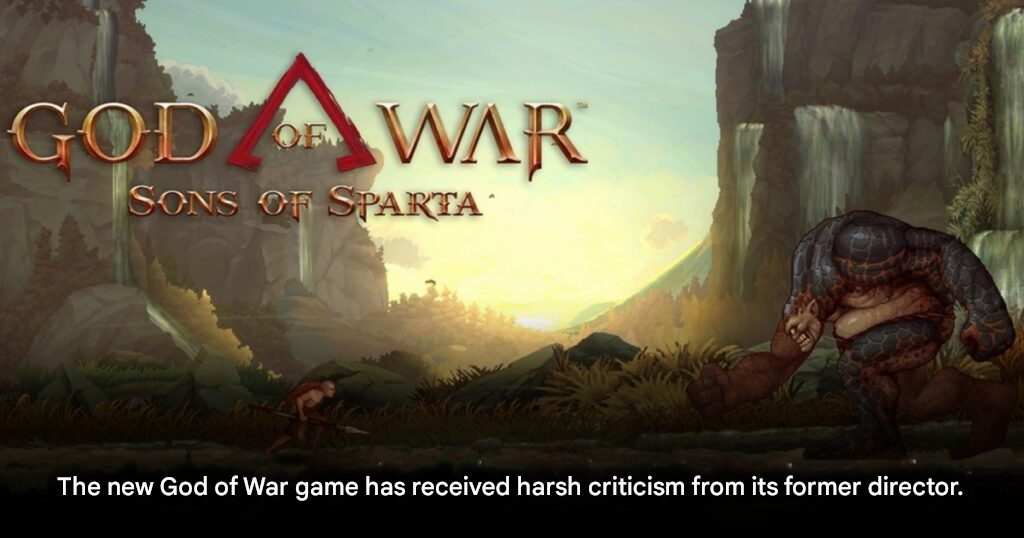
The release of God of War Sons of Sparta has already sparked heated debate across the gaming community, but what truly ignited the fire was criticism coming from the most unexpected source: the original creator of the franchise himself. Just days after launch, the game became the center of controversy following an explosive reaction from David Jaffe, the director and lead designer behind the original God of War released in 2005.
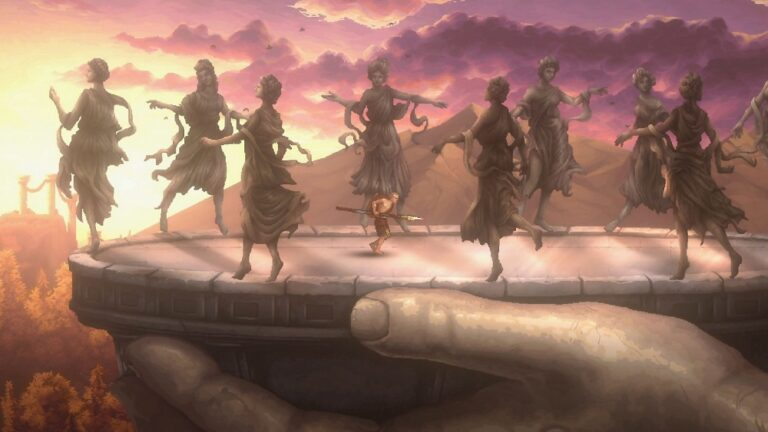
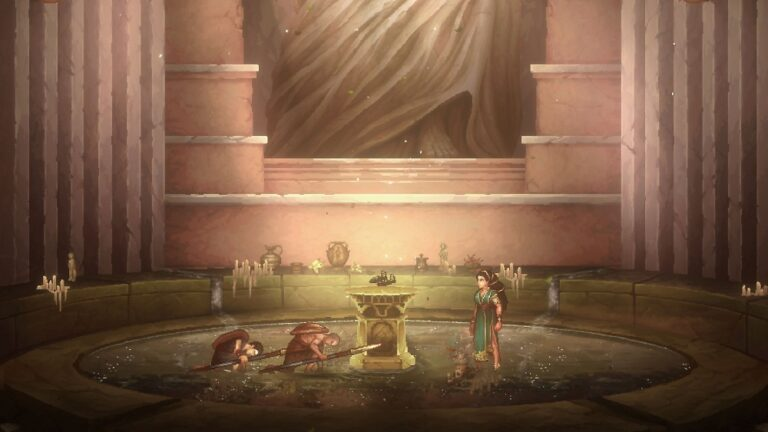
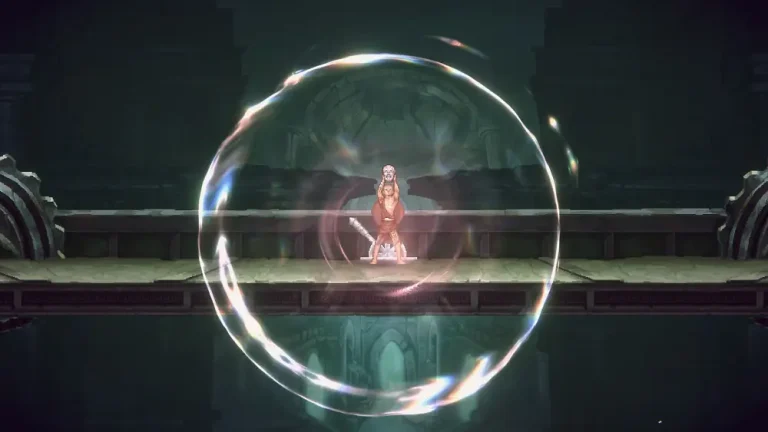
God of War Sons of Sparta launched on PlayStation 5 on February 12, 2026, positioning itself as a bold reimagining of the franchise. Instead of the familiar cinematic third-person action, the game explores Kratos’ younger years through a 2D action-platformer format, blending fast combat with heavy narrative delivery. Priced at roughly USD 30, the title immediately stood out for both its artistic direction and its willingness to step away from tradition.
However, only two days after release, David Jaffe uploaded a video reacting to the game after playing for roughly one hour. His verdict was blunt, emotional, and unapologetic. According to Jaffe, the game suffers from constant interruptions, excessive dialogue, and voice acting that fails to carry the weight of the character. He went as far as saying he would never return to the game, accusing it of stripping Kratos of the intensity and identity that once made the franchise iconic.
Jaffe’s criticism did not stop at gameplay mechanics. He questioned the creative direction behind portraying Kratos in what he described as a watered-down, cartoon-like interpretation, arguing that it clashes with the brutal mythological roots that originally defined the series. For him, Sons of Sparta symbolized a deeper problem: what he sees as the decline of bold, uncompromising creative vision that once defined major first-party titles under Sony.
Unsurprisingly, the response from fans has been far from unanimous. While some players echoed Jaffe’s concerns, others argued that judging the game after only one hour fails to capture its full depth. Supporters of Sons of Sparta praised its boss designs, world-building, and the care put into crafting a new side of Kratos’ journey. Many also pointed out that innovation within long-running franchises often comes with risk, and not every experiment is meant to appeal to legacy creators.
From a broader perspective, Sons of Sparta highlights a growing tension in modern game development: the clash between nostalgia and evolution. For some players, the game offers a refreshing, more approachable take on the God of War universe. For others, especially long-time fans, it feels like a departure too far from what made the series legendary in the first place.
There is also the unavoidable question of value. While the game demonstrates clear artistic intent and thoughtful design, its price point has been a sticking point for many. When compared to the overall length and scope of the experience, some players feel the cost is difficult to justify, regardless of its narrative ambition.
Ultimately, God of War Sons of Sparta now exists in a rare space where criticism from its own creator has amplified public scrutiny rather than ended the conversation. Whether it will be remembered as a bold experiment or a misstep depends largely on how players themselves engage with it, not just on one very loud opinion.
What is certain is this: Sons of Sparta has already succeeded in one thing. It has reignited discussion around what God of War should be, and whether the future of legendary franchises lies in preserving the past or daring to reshape it.