Japan Hit Hard as Pirated Anime Consumption Spreads Worldwide
Let’s be honest. Very few people can say they have never watched fan-subtitled anime, downloaded manga for free, or played a game without paying at least once in their lives. Not always out of malicious intent, but because it was easy. Click, play, done. No registration. No waiting. No second thought about whether it was licensed or not.
However, those small “just this once” actions are now adding up to losses measured in trillions of yen, forcing the Japanese government to publicly acknowledge that the problem has grown far beyond a minor issue.
Trillions of Yen Hidden Behind a Single Click
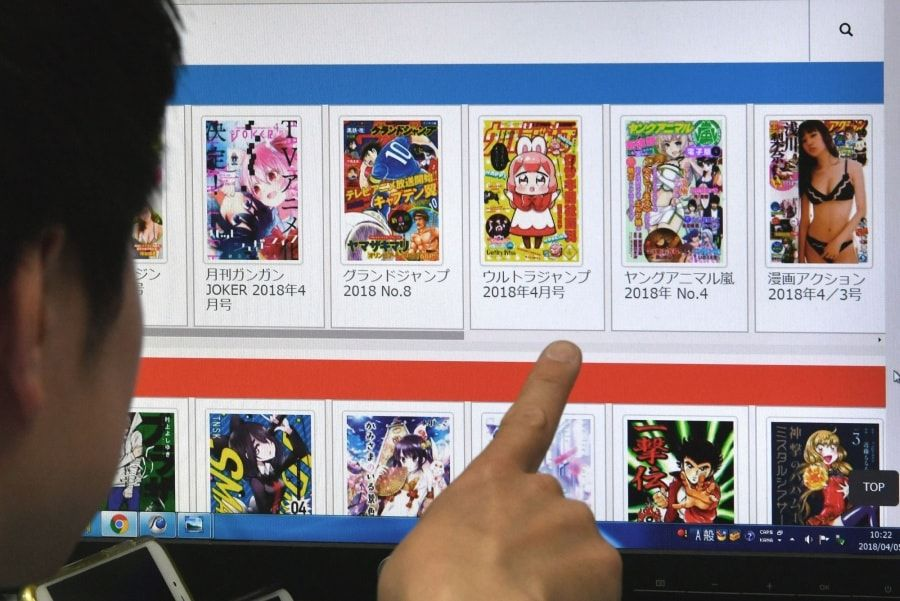
According to Japan’s Ministry of Economy, Trade and Industry (METI), copyright infringement related to Japanese content caused economic losses of approximately 10.4 trillion yen in 2025. This figure does not come from a handful of popular titles, but from a vast ecosystem of unauthorized manga translations, pirated anime uploads, illegally distributed games, and counterfeit character merchandise circulating worldwide.
The most heavily affected sectors are books and manga, followed by films and anime, then games and music. This is no longer about occasional free viewing, but about a continuous leakage of Japan’s intellectual property on a global scale, often without consumers realizing their role in the damage.
Simply put, familiar habits have created far greater consequences than many ever expected.
Fewer Views Per Person, Greater Total Damage
An important insight shared by Japanese authorities is that individuals today may consume pirated content less frequently than in the past. The problem lies elsewhere.
Japanese anime and games have become globally mainstream. Combined with rising prices, fluctuating currencies, and easy internet access, the number of people engaging with pirated content has exploded worldwide. Even if each person consumes less, the sheer scale of users has driven total damage higher than ever before.
Enforcement Alone Is Not Enough
What sets this situation apart is the government’s unusually direct admission. Officials acknowledge that stricter laws, site shutdowns, and arrests alone will not solve the issue. As long as people actively want pirated versions, they will continue to find ways to access them.
As a result, the focus is shifting from a single question:
“How do we stop people from using pirated content?”
to a more fundamental one:
“How do we make people want to choose licensed content on their own?”
Making Legal Content More Appealing
Japan’s current strategy emphasizes expanding global access to official distribution platforms. The goal is to make licensed anime and related content easier to access, more affordable, and more convenient, while simultaneously addressing new forms of infringement such as generative AI misuse and counterfeit goods.
The objective is not only to reduce pirated sites, but to ensure that legitimate options feel more attractive than free alternatives.
A Global Issue, Not a Local One
As Japanese anime and games become embedded in everyday life across the world, copyright challenges can no longer be addressed from a single-country perspective.
The final question is no longer about who has ever consumed pirated content, but whether legal content can become accessible enough to truly earn the audience’s choice.