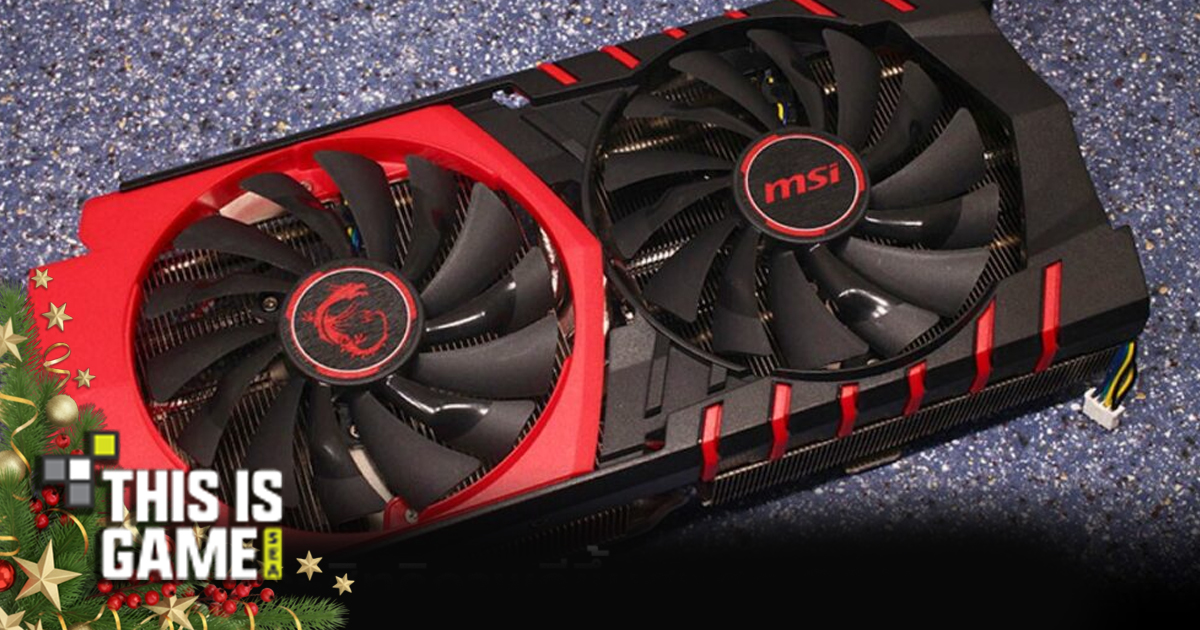
Up to 30% performance gains and Vulkan support arrive for legacy graphics cards
Linux kernel version 6.19 is set to deliver a major upgrade for users running older AMD graphics cards based on GCN 1.0 Southern Islands and GCN 1.1 Sea Islands architectures. The big change comes from an important decision to officially switch the default driver from the long-standing Radeon driver to the newer AMDGPU driver, marking a long-awaited leap forward in Linux graphics support.
In the past, technically inclined users could manually switch from the Radeon driver to AMDGPU by adjusting kernel module parameters. However, this option was never enabled by default due to concerns over stability and feature completeness. That changed this year thanks to heavy development efforts, including strong contributions from Valve, which significantly improved AMDGPU stability and performance on older GPUs such as the Radeon HD 7000/8000 and RX 200 series.
As a result, AMD has now greenlit AMDGPU as the default driver in Linux 6.19 for GCN 1.0 and 1.1 hardware. This shift carries historical weight, as it ends more than two decades of reliance on the legacy Radeon driver for many older AMD graphics cards and signals a modernized software future for aging hardware.
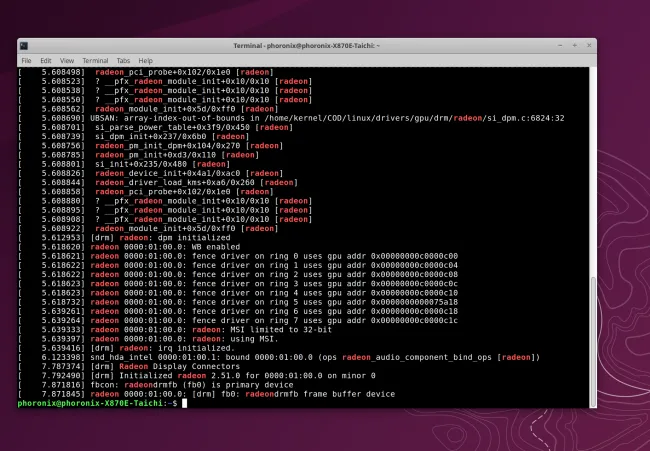
One of the most noticeable advantages of AMDGPU is improved performance along with long-term developer support that extends across modern architectures, including CDNA and RDNA4. More importantly, AMDGPU enables Vulkan support via the RADV driver, a feature unavailable on the old Radeon driver. This allows legacy GPUs to run modern Vulkan-based graphics applications without complex configuration.
Recent testing on Linux 6.19 highlights the real-world impact of this change. A Radeon HD 7950 paired with Mesa 26.0-devel, running on Ubuntu 25.10 and powered by a Ryzen 9 9950X3D, demonstrated clear performance differences between the old and new drivers. In some workloads, performance gains reached up to 30%, proving that even decade-old hardware still has untapped potential.
The results make one thing clear: without these driver improvements, GCN 1.0 and 1.1 GPUs would have remained stuck with limited performance under the Radeon driver. By making AMDGPU the default in Linux 6.19, Linux has effectively extended the lifespan of older AMD graphics cards, boosted performance, and unlocked modern graphics APIs—giving legacy hardware a second life and reaffirming Linux as a platform that truly respects long-term hardware value.
Source: Phoronix